
Tech
DXWVOOK Explained: What It Is Why It Matters and Why People Are Searching for It


Introduction
The internet is constantly creating new words, names, and identifiers, and dxwvook is one of those terms that has recently started to spark curiosity. At first glance, it looks abstract, almost coded, which naturally makes people wonder what it represents and why it’s showing up in search results. In today’s digital environment, even a single unfamiliar word can lead users down a path of discovery.
What makes dxwvook interesting is not just the word itself, but the behavior surrounding it. People don’t usually search for something unless they’ve encountered it somewhere—on a website, a platform, a file name, or a digital reference. This article breaks down dxwvook in a clear, approachable way, helping readers understand its context, relevance, and why such terms are becoming more common online.
What Is DXWVOOK?
DXWVOOK appears to be a digital identifier rather than a traditional word. It does not follow standard language rules, which suggests it may be a system-generated name, a brand placeholder, a project title, or a unique tag used in digital environments.
In modern technology, many terms are created for functionality rather than readability. Developers, platforms, and automated systems often generate names that look random but serve a specific purpose behind the scenes. DXWVOOK fits this pattern well.
It’s important to understand that not every searchable term represents a public product or service. Sometimes, a keyword gains attention simply because users notice it and want clarification.
Why DXWVOOK Is Gaining Search Interest
Accidental Discovery
Most users likely encounter dxwvook accidentally. It might appear in a URL, app reference, username, or system label. Once seen, curiosity kicks in, and searching becomes the next step.
This type of behavior is extremely common in the digital world. People want to understand what they are interacting with, especially when something unfamiliar appears on their screen.
Search engines then amplify this curiosity. Once multiple users search for dxwvook, it becomes more visible, even to people who have never seen it before.
Algorithmic Visibility
Another reason dxwvook gains traction is how search algorithms work. When a term starts showing repeated interest, it may appear in suggestions, related searches, or indexed pages.
This creates a cycle where visibility feeds more visibility. The keyword may look popular even if it exists within a small or niche context.
DXWVOOK in the Context of Digital Systems
System and Platform Identifiers
In many digital platforms, identifiers are used to label processes, tools, or internal components. These names are often short, unique, and non-descriptive, making them easy for systems to recognize.
DXWVOOK may function as one of these identifiers. Its structure suggests it could be auto-generated or designed to avoid duplication within a system.
Experts often advise users not to panic when encountering such terms. Most are harmless and serve technical purposes rather than user-facing functions.
Branding or Project Naming Possibilities
Another possibility is that dxwvook is a brand or project name in its early stages. Many startups and digital tools choose abstract names because they are easier to secure as domains and usernames.
Abstract names also allow flexibility. A project named dxwvook could evolve into almost anything without being limited by literal meaning.
Common Misunderstandings About Keywords Like DXWVOOK
One of the biggest mistakes users make is assuming that every unfamiliar term is suspicious. While caution is important, many technical keywords look strange simply because they are not meant for public interaction.
Another misconception is assuming popularity equals importance. A keyword might appear frequently in searches without representing a major platform or trend.
DXWVOOK should be approached with curiosity, not assumptions. Context matters far more than the word itself.
How to Evaluate an Unknown Keyword Safely
Check the Source
Always consider where you encountered the term. Was it inside a trusted application, a professional website, or a system message? The source often explains the purpose.
If dxwvook appeared in a known and reliable environment, it’s likely part of a normal process.
Avoid Speculation
Searching for information is smart, but spreading guesses is not. Until verified information exists, it’s best to stay neutral.
Experts recommend relying on credible sources, official documentation, or trusted forums rather than random claims.
The Role of Digital Literacy
DXWVOOK highlights the importance of digital literacy. Understanding that not everything online is meant to be human-readable helps reduce confusion.
Digital literacy doesn’t require technical expertise. It simply means knowing how to assess information calmly and logically.
As technology becomes more complex, users will continue encountering terms like dxwvook. Learning how to interpret them responsibly is a valuable skill.
Why Abstract Keywords Are Becoming More Common
Global Accessibility
Abstract names avoid language barriers. A term like dxwvook does not belong to any specific language, making it globally usable.
This is especially useful for digital platforms aiming for international audiences.
Availability and Uniqueness
Short, random-looking words are easier to register as domains, usernames, and trademarks. This makes them attractive for digital projects.
DXWVOOK fits this modern naming trend perfectly.
What DXWVOOK Represents in the Bigger Picture
Beyond the keyword itself, dxwvook represents how the internet is evolving. Digital systems prioritize efficiency, scalability, and uniqueness over readability.
Users, on the other hand, prioritize clarity and understanding. This gap often leads to curiosity-driven searches like this one.
Experts see this as a normal part of technological growth rather than a problem.
Conclusion
DXWVOOK may look mysterious at first, but it fits naturally into the modern digital landscape. Whether it functions as a system identifier, a project name, or a platform reference, its growing visibility is driven by curiosity rather than hype.
Understanding terms like dxwvook requires context, patience, and digital awareness. Not every keyword has a dramatic backstory, and not every unfamiliar name signals risk.
As the internet continues to evolve, abstract keywords will become even more common. Approaching them with a balanced, informed mindset allows users to stay confident, curious, and in control of their digital experiences.

AI face swap technology has evolved well beyond simple novelty filters. In 2026, creators can replace faces in photos and videos, animate portraits, create talking characters, and build social content without complicated editing software.
The challenge is choosing the right tool. Some platforms are designed primarily for quick photo swaps, while others focus on video, talking photos, avatars, or complete AI content workflows.
To make the choice easier, we compared some of the strongest AI face swap and photo-animation tools available in 2026, looking at output quality, ease of use, creative features, pricing, and overall value.
Best AI Face Swap Tools at a Glance
| Tool | Best For | Photo Face Swap | Video | Talking Photos | Starting Price |
| Magic Hour | All-in-one AI content creation | Yes | Yes | Yes | Free; Creator $19/month |
| Remaker AI | Quick photo swaps | Yes | Yes | Limited | Free / Paid |
| DeepSwap | Video face swapping | Yes | Yes | No | Around $10/month |
| Reface | Mobile and social content | Yes | Yes | Limited | Free / Paid |
| Akool | Professional marketing content | Yes | Yes | Yes | Paid plans |
| Fotor | AI photo editing | Yes | Limited | No | Free / Paid |
1. Magic Hour: Best Overall AI Face Swap and Talking Photo Tool
Magic Hour stands out because it is not limited to one type of AI face editing. It combines face swapping, lip sync, talking photos, image generation, video generation, image editing, upscaling, and other creative tools in one browser-based platform.
For creators who want more than a single face swap, that makes a major difference. You can start with a photo, create a face swap, animate a portrait, or move into video creation without building an entirely separate workflow around different applications.
Its best ai face swap tool supports photo, video, and GIF face swapping, including single-face and multi-face workflows. The photo face swap can be tried without signing up, making it particularly convenient for quick experiments.
Magic Hour is also particularly strong when a face swap is only the first step in a larger content project. Its tool collection includes face swap, lip sync, talking photo, image-to-video, AI image editing, video generation, and other production tools.
Why Magic Hour stands out
- Best-in-class face swap, lip sync, and talking-photo workflows
- No signup required for several free tools and trials
- Credits do not expire
- Access to a broad selection of frontier AI models
- Click-to-create templates for faster production
- Multi-step workflows that can combine generation, enhancement, and video creation
- Multiple AI models available from one platform
- Fast variations and multiple takes
- Frequent feature releases
- Parallel generations for faster experimentation
- Strong free access compared with many competing platforms
- Designed for both desktop and mobile workflows
- Full API access across its tool ecosystem
- Infrastructure designed for high-volume generation and traffic spikes
The talking-photo functionality is another major advantage. With Magic Hour’s Magic Hour talking photo tool, users can upload a portrait and audio to create a speaking or singing video. The platform also supports different animation modes and can generate talking portraits from uploaded audio or text-to-speech workflows.
Magic Hour pricing
Magic Hour has a free option for trying its tools, while paid plans are aimed at more frequent creators and professional workflows.
- Free: Free access to selected tools and daily generations, with limits varying by tool
- Creator: $19/month, or $12/month when billed annually ($144/year)
- Pro: $39/month, or $25/month when billed annually ($300/year)
The Creator plan includes 144,000 credits per year, access to all tools, 1024px high-resolution output, watermark-free exports, commercial use, three generations at once, priority processing, larger uploads, and full API access. Pro increases the annual allowance to 300,000 credits, raises supported resolution to 1472px, and allows five generations at once.
Another useful feature is that unused subscription credits roll over rather than expiring at the end of the billing period. Magic Hour also offers separate credit packs for users who need additional generation capacity.
Best for: Creators, marketers, social media teams, and anyone who wants face swapping alongside a broader AI photo and video workflow.
2. Remaker AI: Best for Quick Photo Face Swaps
Remaker AI is a straightforward choice for users who mainly want to upload a picture, replace a face, and download the result without dealing with a complicated editing interface.
The platform supports photo and video face swapping and offers additional AI image tools, making it more versatile than a single-purpose face swap application.
Its biggest strength is simplicity. If the goal is a quick social post, meme, profile image, or creative experiment, Remaker can be easier to approach than a full professional editing suite.
The tradeoff is that users looking for a larger ecosystem of video generation, lip sync, talking photos, image editing, and AI models may find it less comprehensive than Magic Hour.
Best for: Quick individual face swaps and casual creator content.
3. DeepSwap: Best for Video Face Swapping
DeepSwap focuses heavily on face swapping across videos, photos, and GIFs. That makes it a useful option when the primary requirement is maintaining a replacement face throughout moving footage.
Video face swapping is considerably more demanding than replacing a face in a still image because the system has to maintain facial identity across different expressions, angles, lighting conditions, and frames.
DeepSwap is therefore worth considering for creators who regularly work with short video clips and want a tool centered specifically around face replacement.
Its narrower focus can also be an advantage: users who do not need a large collection of unrelated AI generation tools may prefer a dedicated face-swap workflow.
Best for: Short-form video creators who primarily need video face swapping.
4. Reface: Best for Mobile and Social Content
Reface is one of the better-known consumer face-swapping applications, particularly among mobile users. Its strength is entertainment-focused content, including short videos, GIFs, templates, and social media creations.
The mobile-first approach makes it convenient for users who want to create something quickly rather than build a detailed editing workflow.
Reface is particularly appealing for casual users who want ready-made creative formats. Instead of starting with a blank canvas, users can often work from templates and popular content formats.
The downside is that it is more entertainment-focused than professional AI content platforms. Creators looking for extensive image generation, video editing, upscaling, APIs, and production workflows may need a broader platform.
Best for: Mobile users, memes, GIFs, and casual social media content.
5. Akool: Best for Professional Marketing Content
Akool is designed with business and marketing applications in mind. Its AI tools cover areas such as face swapping, avatars, video creation, and personalized content.
For agencies and marketing teams, the attraction is less about making a single funny face swap and more about producing variations of content for campaigns.
The platform is also suitable for teams that need AI-generated marketing assets at a larger scale. However, professional features and higher-volume workflows generally make it more appropriate for businesses than casual users.
Best for: Marketing teams, agencies, and professional content production.
6. Fotor: Best for Face Swap Within a Broader Photo Editor
Fotor is better known as a general-purpose online photo editor, but its AI features also make it useful for users who want face swapping as part of a larger editing workflow.
This is where Fotor has an advantage over dedicated face-swap platforms. After creating a face swap, users can continue editing the image using other photo-editing tools rather than exporting it to another application.
Its broader interface can also mean a steeper learning curve. Someone who only wants to swap one face as quickly as possible may find a dedicated tool more convenient.
Best for: Users who want face swapping alongside traditional and AI-powered photo editing.
How to Choose the Best AI Face Swap Tool
The best face swap tool depends on what you want to create.
For a single photo, prioritize realistic blending, facial detail, resolution, and ease of use. A simple browser-based tool is usually enough.
For video face swaps, look for consistent identity across frames, good handling of movement, and reasonable generation times.
For talking photos, the important factors change. Lip synchronization, facial movement, audio support, and the ability to preserve the original person’s appearance become more important.
For professional content creation, consider the entire workflow rather than face-swap quality alone. Access to image generation, video generation, upscaling, templates, multiple AI models, commercial rights, and API access can make one platform much more useful than a tool that performs only one task.
What Makes a Good AI Face Swap?
A convincing face swap should do more than simply place one face over another. The best results maintain realistic proportions, lighting, skin tones, facial expressions, and overall integration with the target image.
Source material also matters. Clear, well-lit images with visible faces generally produce better results than heavily filtered, blurry, partially obstructed, or extreme-angle photos.
For video, movement adds another layer of difficulty. A face may look convincing in a single frame but reveal artifacts when the person turns their head or changes expression.
That is why it is useful to test the same source material across several tools before choosing one for a larger project.
AI Face Swap vs. Talking Photo
Face swapping and talking-photo generation are related but solve different problems.
A face swap replaces the identity of a face with another face. A talking photo starts with a still portrait and adds facial movement synchronized to speech or audio.
For example, someone creating a movie-style social clip may need face swapping, while a marketer turning a static spokesperson image into a short presentation may benefit more from a talking photo.
Platforms that combine both capabilities can simplify this process because creators do not have to move between multiple applications.
Responsible Use of AI Face Swapping
AI face swapping is a powerful editing technology, but it should be used responsibly. Always make sure you have permission to use the faces, photographs, voices, and other media involved in a project.
Creators should avoid using face-swapping technology to impersonate people, create deceptive content, or make someone appear to participate in events or conversations without their consent.
For commercial projects, also check the platform’s current licensing and commercial-use terms before publishing generated content.
Final Verdict
AI face swap tools in 2026 cover everything from simple mobile entertainment to professional video production. The right choice depends on whether you need photo editing, video face swaps, talking portraits, or a complete AI content workflow.
Magic Hour is the strongest overall choice for creators who want all of these capabilities in one place. Its combination of face swap, lip sync, talking photo, image and video tools, templates, multiple AI models, API access, and flexible pricing gives it an advantage over tools focused on only one part of the workflow.
For casual photo swaps, Remaker AI and Fotor are worth considering. DeepSwap is a strong option when video face swapping is the main requirement, while Reface remains convenient for mobile-first social content. Akool is better suited to professional marketing and business workflows.
Ultimately, the best AI face swap tool is the one that matches the type of content you actually produce. For creators who want room to move from a simple face swap into talking photos, video, and more advanced AI production, Magic Hour offers one of the most complete options available in 2026.

Introduction
In today’s fast-moving digital world, new websites and platforms appear every day, each offering something unique to users. One such name gaining attention is BySentinel.com. As more people come across this domain, curiosity is growing about what it is, what it offers, and why it is becoming part of online discussions.
Although detailed public information may still be limited, BySentinel.com appears to represent a modern digital identity that could be connected to technology, online services, or informational content. Like many emerging platforms, its presence is gradually building interest among internet users.
This article explores BySentinel.com, its possible purpose, benefits, and its role in the evolving digital landscape.
What Is BySentinel.com?
BySentinel.com is a digital domain name that reflects a modern and professional branding style. The word “Sentinel” often relates to protection, monitoring, or awareness, which suggests that the platform may be associated with security, data, insights, or online intelligence.
While exact details may depend on its development and services, BySentinel.com can be understood as an emerging online platform or brand identity that is still building recognition in the digital space.
In many cases, such domains are used for:
- Technology platforms
- Information and news websites
- Security or monitoring tools
- Digital service providers
- Research or analytics platforms
Why BySentinel.com Is Getting Attention
One of the main reasons BySentinel.com is being searched online is curiosity. When users encounter a new domain name, especially one that sounds professional or technology-related, they naturally want to understand its purpose.
There are several reasons for its growing attention:
Unique Branding
The name “BySentinel” has a strong and modern feel. It creates an impression of reliability, intelligence, and digital strength.
Rising Digital Curiosity
People often search for unfamiliar websites to verify their authenticity and purpose before engaging with them.
Potential Tech Association
The word “Sentinel” is commonly used in cybersecurity, monitoring systems, and advanced technology solutions, which increases interest.
Possible Uses of BySentinel.com
Although the exact function may vary depending on its development, BySentinel.com could potentially be used in several areas.
Cybersecurity Platform
The name suggests possible use in cybersecurity, such as threat monitoring, digital protection, or security analytics.
News or Information Portal
It may function as a content-based platform providing news, updates, or insights into specific industries.
Data or Analytics Service
Many modern platforms focus on data interpretation and reporting. BySentinel.com could be associated with such services.
Technology Startup
It may also represent a startup project focused on innovation in the digital or software space.
Importance of Digital Domains Like BySentinel.com
In the online world, a domain name is more than just a web address—it is a brand identity. Strong domain names help businesses build trust and recognition.
BySentinel.com has qualities that make it suitable for branding:
- Professional and memorable structure
- Technology-oriented naming style
- Flexibility across multiple industries
- Strong identity potential
These characteristics are important for building a successful online presence.
How Users Interact with Emerging Websites
When people discover new websites like BySentinel.com, they usually follow a similar pattern:
- Search for information about the site
- Try to understand its purpose
- Check its legitimacy and background
- Explore its features or services
This process helps users decide whether the platform is useful or relevant to their needs.
The Future Potential of BySentinel.com
The future of BySentinel.com depends on how it develops and what services it offers. Many successful websites started as simple domains and later evolved into powerful platforms.
If BySentinel.com focuses on delivering valuable content, strong user experience, or innovative tools, it could grow into a recognized digital brand.
Key factors for its success may include:
- Clear purpose and services
- User trust and security
- Consistent updates
- Strong digital marketing
- Quality content or tools
Conclusion
BySentinel.com is an emerging digital domain that has started gaining attention due to its unique and professional name. While detailed information about its services may still be developing, the platform shows strong potential in the digital branding space.
As with many new online identities, its future will depend on how it evolves and what value it provides to users. For now, BySentinel.com remains an interesting name to watch in the growing world of digital platforms and online innovation.
Frequently Asked Questions
What is BySentinel.com?
BySentinel.com is a digital domain that appears to represent an emerging online platform or brand identity.
Is BySentinel.com a cybersecurity website?
The name suggests a possible connection to security or monitoring, but its exact purpose may vary.
Why is BySentinel.com being searched online?
Users are curious about its purpose, legitimacy, and potential services.
Can BySentinel.com become a popular platform?
Yes, if it offers valuable services and strong branding, it has growth potential.
What category does BySentinel.com belong to?
It may fall under technology, digital services, cybersecurity, or online platforms.
Introduction
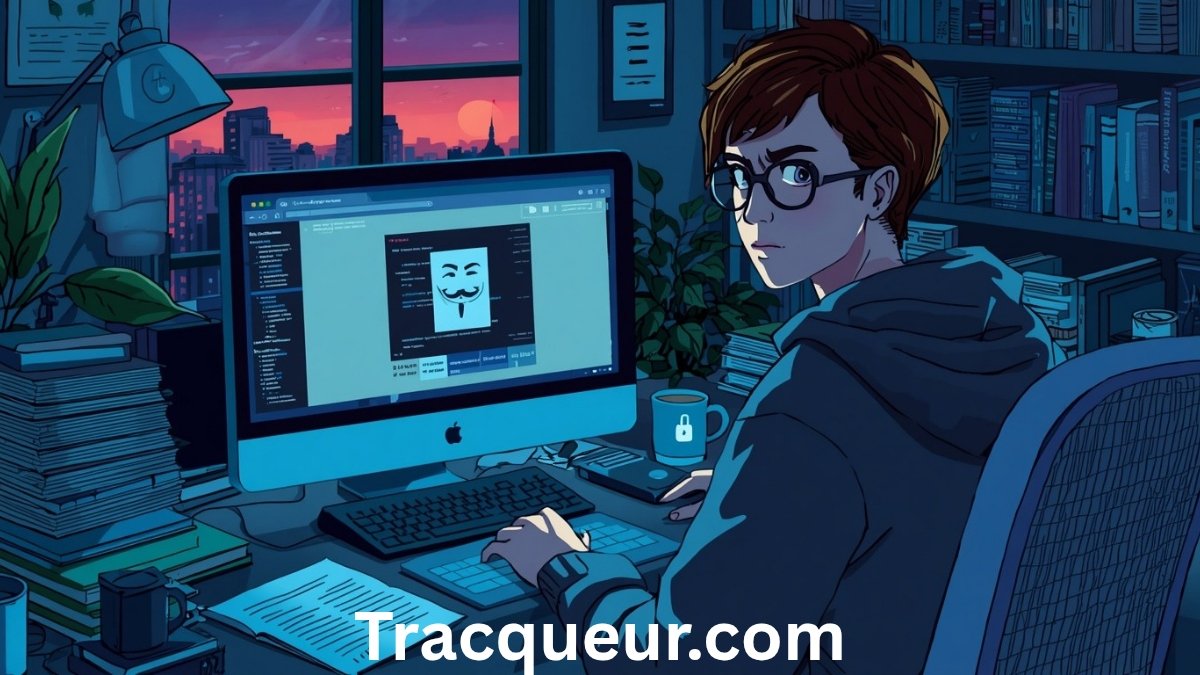
The internet has always been a place where people gather to share ideas, communicate anonymously, and participate in online communities. One search term that continues to generate attention is anonib pa. Many users search for this phrase out of curiosity, while others want to understand its connection to anonymous discussion boards, internet culture, and online privacy concerns.
Anonymous platforms have existed for decades and have played a major role in shaping internet communities. Some people use these spaces for open discussion, while others are drawn to the sense of privacy and freedom that anonymous environments provide. However, anonymity online also comes with important ethical, legal, and security considerations that users should understand carefully.
In this article, we will explore what anonib pa refers to, discuss the history of anonymous image boards, examine the impact of online anonymity, and explain why digital safety and responsible internet behavior matter more than ever in today’s connected world.
What Is Anonib PA?
The phrase anonib pa is often associated with searches related to anonymous image board communities and region-based online discussions. The term itself combines references to anonymity with location-focused discussions, which has contributed to curiosity among internet users looking for information about digital communities and online forums.
Anonymous image boards became popular because they allowed users to participate without revealing personal identities. Unlike traditional social media platforms that encourage public profiles and personal branding, anonymous forums created environments where people could post freely without attaching their real names or identities.
Over time, these types of platforms gained attention for both positive and negative reasons. Some communities used anonymity to discuss hobbies, local events, technology, gaming, or entertainment. Others became controversial because anonymity sometimes encouraged irresponsible or harmful behavior.
The growing interest in anonib pa reflects broader discussions about internet privacy, online freedom, digital ethics, and the evolving nature of online communities. Understanding these topics helps users navigate the internet more safely and responsibly.
The Rise of Anonymous Online Communities
Anonymous online communities began gaining popularity in the early days of internet culture. Many users appreciated spaces where they could express opinions without worrying about social pressure, professional consequences, or public judgment.
One major reason for the popularity of anonymous platforms was freedom of expression. People often felt more comfortable discussing sensitive topics, personal experiences, or controversial opinions when their real identities remained hidden. This openness created unique online conversations that differed from mainstream social media interactions.
Another factor behind the rise of anonymous communities was curiosity and experimentation. Internet users enjoyed exploring spaces that felt less controlled and more community-driven. These platforms often developed their own language, humor, and digital culture over time.
At the same time, anonymity introduced challenges. Without accountability, some users behaved irresponsibly or violated ethical boundaries. This tension between freedom and responsibility continues to shape discussions about anonymous platforms today.
Modern internet culture still reflects many influences from these early anonymous communities. Memes, viral trends, internet slang, and discussion formats often originated from anonymous message boards before spreading across mainstream platforms.
Why People Search for Anonib PA
There are several reasons why users search for anonib pa online. Some people are simply curious about the term after hearing it mentioned in discussions, forums, or social media conversations. Others are researching internet culture and want to understand the history behind anonymous communities.
Another common reason involves digital privacy concerns. As internet users become more aware of data tracking, targeted advertising, and online surveillance, interest in anonymous communication platforms has increased. Many people want to explore alternatives to traditional social networks that collect personal information.
Some users are also interested in understanding the controversies connected to anonymous forums. Discussions about online ethics, moderation, cyberbullying, and digital consent have made anonymous platforms an important topic in conversations about internet responsibility.
In addition, internet historians and digital culture researchers often study anonymous communities because they played a major role in shaping modern online behavior. Many trends that dominate today’s internet landscape originally emerged from anonymous discussion boards.
The continued search interest surrounding anonib pa demonstrates how strongly anonymity and online identity remain connected to modern internet culture.
The Benefits of Online Anonymity
Online anonymity is not automatically negative. In many situations, anonymity can provide important benefits that support freedom, safety, and open communication.
One major advantage is privacy protection. Some people prefer keeping their personal identities separate from their online activities. Anonymous communication allows users to participate in discussions without exposing sensitive information publicly.
Another benefit is honest conversation. Many individuals feel more comfortable discussing difficult topics anonymously, especially when dealing with mental health, personal struggles, workplace issues, or social concerns. Anonymity can reduce fear of judgment and encourage openness.
Whistleblowers and activists also rely on anonymous communication in some situations. Around the world, anonymous platforms have been used to share important information while protecting individuals from retaliation or censorship.
Creativity is another positive aspect of anonymous communities. Without pressure to maintain a personal brand or public image, users sometimes express ideas more freely and experiment with humor, storytelling, or artistic content.
Despite these benefits, anonymity works best when combined with responsibility and respect for others. Healthy online communities depend on ethical participation from their members.
The Risks Associated With Anonymous Platforms
Although anonymous communities can provide valuable freedom, they also come with significant risks. The lack of accountability on some platforms can encourage harmful behavior if moderation and ethical standards are weak.
One major concern is cyberbullying. Anonymous environments sometimes make it easier for individuals to harass or target others without facing immediate consequences. This can create emotional harm and damage online communities.
Privacy violations are another serious issue. Sharing someone’s personal information, photos, or private content without consent is unethical and may also violate laws in many regions. Responsible digital behavior is essential for maintaining safe online spaces.
Misinformation can also spread quickly on anonymous platforms. Because users are not always verified, false rumors, misleading claims, and manipulated content may circulate without proper fact-checking.
Security risks are equally important. Some anonymous forums attract malicious actors who attempt scams, phishing attacks, or harmful activities. Users should always be cautious about clicking suspicious links or sharing personal information online.
These challenges demonstrate why digital literacy and online awareness are increasingly important in modern internet culture.
How Internet Culture Has Changed Over Time
The internet has changed dramatically over the last two decades. Early online communities focused heavily on forums, chat rooms, and anonymous interaction, while modern platforms emphasize personal profiles, influencer culture, and algorithm-driven content.
Anonymous communities helped shape many aspects of internet humor and communication. Meme culture, reaction images, viral jokes, and internet slang often originated in these environments before spreading globally.
Social media later transformed online interaction by encouraging real-name identities and public sharing. Platforms such as photo-sharing apps and professional networking sites shifted internet culture toward visibility and personal branding.
However, growing concerns about privacy and surveillance have caused some users to revisit interest in anonymous communication. People increasingly recognize the importance of controlling personal data and protecting digital identities.
This balance between openness and privacy continues influencing how online communities evolve. Internet users today often seek platforms that provide both freedom of expression and responsible moderation.
Staying Safe While Exploring Online Communities
Safety should always remain a priority when participating in online discussions or browsing unfamiliar platforms. Whether exploring anonymous communities or mainstream social media, responsible internet habits are essential.
The first step is protecting personal information. Users should avoid sharing addresses, phone numbers, financial details, or sensitive private data publicly online. Even seemingly harmless details can sometimes be misused.
Strong passwords and two-factor authentication provide additional security for online accounts. These simple precautions significantly reduce the risk of hacking or unauthorized access.
Users should also remain cautious about links, downloads, and unknown messages. Scammers frequently target online communities with phishing attempts designed to steal information or infect devices with malware.
Critical thinking is equally important. Not everything posted online is accurate or trustworthy. Verifying information through reliable sources helps prevent misinformation from spreading.
Finally, respectful communication creates healthier online environments. Responsible participation improves digital communities and encourages more positive interactions for everyone involved.
The Future of Anonymous Online Spaces
Anonymous online communities will likely continue evolving as technology changes. Privacy concerns, artificial intelligence, and increasing digital surveillance are shaping the future of online interaction in significant ways.
Some users will continue seeking anonymous spaces because they value freedom of expression and privacy. Others may prefer more structured platforms with stronger moderation and identity verification systems.
Technology companies are also exploring new ways to balance privacy with accountability. This includes improved moderation tools, content filtering systems, and safer communication environments.
Governments and legal systems are becoming more involved in discussions about digital responsibility as well. Questions about online harassment, privacy protection, and freedom of speech remain central to internet policy debates worldwide.
Ultimately, the future of anonymous platforms will depend on how effectively communities balance openness, safety, and ethical behavior. Responsible internet use will remain essential regardless of how technology evolves.
Conclusion
Anonib pa represents more than just a search term. It reflects ongoing conversations about anonymity, internet culture, digital privacy, and the responsibilities connected to online communication. Anonymous communities have played an important role in shaping the modern internet, influencing everything from memes and online humor to discussions about privacy and freedom of expression.
While anonymous platforms can encourage honest communication and creative exploration, they also come with serious ethical and security challenges. Cyberbullying, misinformation, and privacy violations highlight the importance of responsible digital behavior and strong online safety practices.
As internet culture continues evolving, users must balance curiosity and freedom with awareness and responsibility. Understanding the history and impact of anonymous online spaces helps individuals navigate digital communities more safely and thoughtfully in an increasingly connected world.

Best Face Swap Photo AI Tools of 2026

BySentinel.com: A Rising Digital Platform in the Online Space

Anonib PA: Understanding Anonymous Image Boards Online Privacy and Digital Culture
Anonib PA: Understanding Anonymous Image Boards Online Privacy and Digital Culture

Tabootune: Redefining Bold Expression in the Digital Sound Era