Lifestyle
Haslhof: Tradition Lifestyle and Modern Relevance in One Name

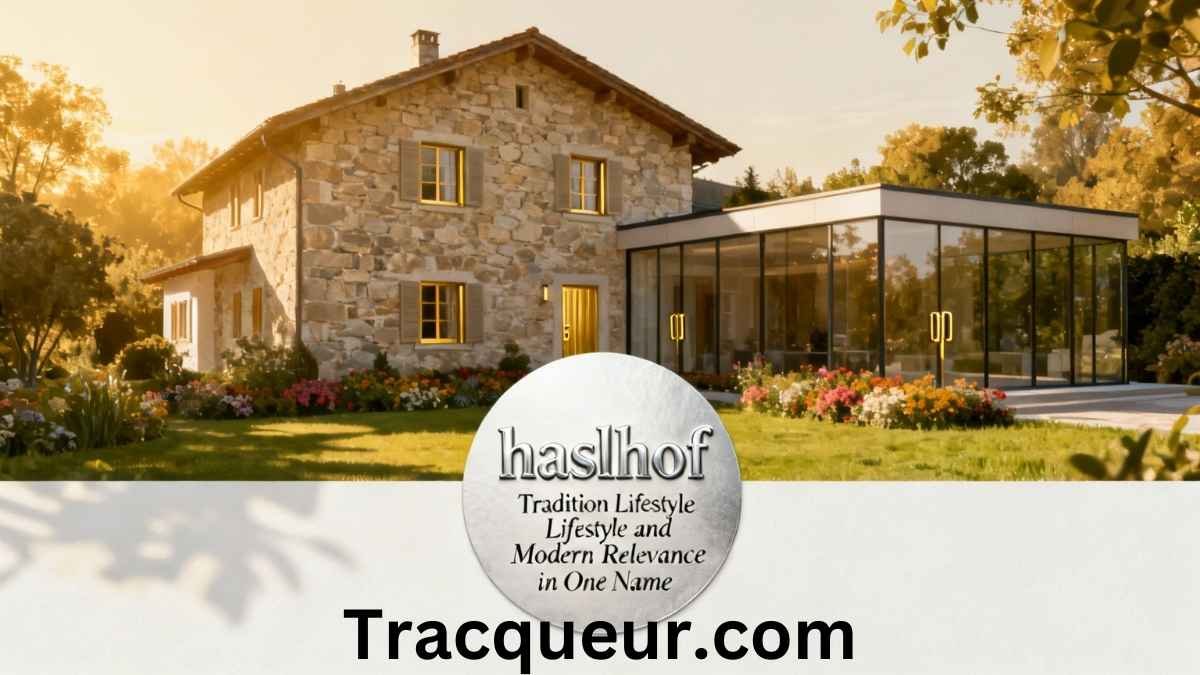
Introduction to Haslhof
The name Haslhof carries a sense of heritage, stability, and connection to place. Whether it refers to a location, estate, farmstead, or a broader concept rooted in regional identity, Haslhof immediately evokes something grounded and authentic. It’s not a flashy term, but that’s exactly what gives it character and long-term relevance.
In many European contexts, names like Haslhof are closely tied to land, family history, and craftsmanship. They often represent more than a physical structure—they reflect a way of life shaped by environment, tradition, and careful stewardship over generations. This depth makes Haslhof particularly interesting in a modern world that increasingly values authenticity.
Today, Haslhof is being rediscovered and reinterpreted. While it remains connected to its traditional roots, it is also finding relevance in contemporary discussions around sustainable living, rural development, and lifestyle balance. Understanding Haslhof means understanding both where it comes from and where it is headed.
The Historical Roots of Haslhof
Historically, Haslhof is associated with rural estates or farmsteads that formed the backbone of local economies. These properties were not just places of residence; they were centers of production, community interaction, and generational continuity. Life at a Haslhof revolved around the land and the seasons.
These estates were typically designed with practicality in mind. Buildings were constructed to withstand weather, support agricultural work, and house extended families. Over time, the name Haslhof became synonymous with reliability and permanence, often passed down through generations as both a physical and symbolic inheritance.
What’s important to note is that Haslhof was never about excess. Its value came from efficiency, resilience, and respect for resources. This mindset, deeply rooted in history, is one of the reasons Haslhof concepts still resonate today, especially as people look for sustainable and meaningful ways of living.
Haslhof as a Symbol of Rural Lifestyle
Haslhof represents a lifestyle that prioritizes balance over speed. Unlike urban living, which often revolves around constant movement and noise, life associated with Haslhof is calmer and more deliberate. It’s about working with nature rather than against it.
Daily life in a Haslhof setting traditionally involved hands-on work, from land maintenance to food production. This fostered a strong sense of responsibility and self-sufficiency. Even today, people drawn to the Haslhof lifestyle often value these principles, even if they adapt them to modern circumstances.
Modern interpretations of the Haslhof lifestyle may include remote work, eco-conscious practices, or small-scale entrepreneurship. What remains consistent is the emphasis on space, independence, and a closer connection to one’s surroundings—things that are increasingly rare and valuable.
Architecture and Design Philosophy of Haslhof
The architecture associated with Haslhof is practical yet timeless. Buildings are often constructed using local materials, which not only reduces environmental impact but also ensures harmony with the surrounding landscape. This design approach gives Haslhof structures their distinctive, grounded appearance.
Layouts typically prioritize functionality. Living spaces, storage areas, and workspaces are integrated efficiently, reflecting the needs of daily life rather than aesthetic trends. This kind of design ages well, which is why many Haslhof structures remain relevant and usable decades or even centuries later.
In modern renovations, the Haslhof architectural style is often preserved while incorporating contemporary comforts. This blend of old and new creates spaces that feel authentic yet livable, appealing to those who want character without sacrificing convenience.
Haslhof and Sustainable Living
Sustainability is not a new concept for Haslhof—it has always been part of its foundation. Traditional Haslhof operations relied on careful resource management, reuse, and respect for natural cycles. These practices align remarkably well with today’s sustainability goals.
Energy efficiency, local sourcing, and minimal waste are principles that naturally fit within the Haslhof framework. Whether it’s through renewable energy installations or organic land use, modern Haslhof properties often become models for sustainable rural living.
This alignment with sustainability is one of the reasons Haslhof is gaining renewed interest. As environmental awareness grows, people are increasingly drawn to lifestyles and property models that have already proven their long-term viability.
Haslhof in the Modern Economy
While Haslhof has deep agricultural roots, it is no longer limited to traditional farming. Today, Haslhof properties are being adapted for tourism, creative retreats, artisanal production, and small-scale businesses. This diversification keeps them economically relevant.
Many entrepreneurs see Haslhof as an opportunity to combine business with lifestyle. Guesthouses, workshops, and experience-based services thrive in these environments, offering visitors authenticity and tranquility that urban settings can’t provide.
This adaptability ensures that Haslhof remains economically sustainable. By evolving with market demands while preserving its core identity, Haslhof continues to offer value in a changing economic landscape.
Community and Cultural Importance of Haslhof
Haslhof has always played a role beyond individual ownership. Historically, these estates were part of a larger community network, contributing to local economies and social structures. This communal aspect remains important today.
Cultural traditions, regional craftsmanship, and local events often revolve around places like Haslhof. They serve as anchors for cultural identity, helping preserve customs that might otherwise fade away.
In modern contexts, Haslhof properties often become gathering points for workshops, festivals, or educational initiatives. This reinforces their role as living, evolving spaces rather than static historical sites.
Challenges and Responsibilities of Maintaining a Haslhof
Owning or managing a Haslhof comes with responsibility. Maintenance of large properties and older structures requires time, resources, and commitment. This is not a lifestyle for those seeking instant gratification.
However, these challenges also bring rewards. The process of restoring or maintaining a Haslhof fosters a deeper connection to the property and its history. Many owners find satisfaction in preserving something meaningful for future generations.
With proper planning, modern technology, and expert guidance, these challenges are manageable. The key lies in respecting the original structure while making thoughtful, sustainable improvements.
The Future of Haslhof
Looking ahead, Haslhof is well-positioned to remain relevant. As people seek alternatives to dense urban living, the appeal of space, autonomy, and authenticity continues to grow. Haslhof fits naturally into this shift.
Digital connectivity has also changed the equation. Remote work allows people to live in places once considered impractical, making Haslhof more accessible than ever before. This opens new possibilities for revitalization and innovation.
Ultimately, the future of Haslhof depends on thoughtful stewardship. When tradition and modern needs are balanced carefully, Haslhof can continue to thrive as both a lifestyle and a cultural symbol.
Final Thoughts on Haslhof
Haslhof is more than a name—it represents a philosophy rooted in balance, responsibility, and continuity. Its strength lies in its ability to adapt without losing its essence, offering lessons that remain relevant in today’s fast-paced world.
Whether viewed as a property model, a lifestyle choice, or a cultural landmark, Haslhof stands as an example of sustainable living done right. It reminds us that progress doesn’t always mean abandoning the past; sometimes it means learning from it.
In a time when authenticity and sustainability matter more than ever, Haslhof continues to hold its place—not as a trend, but as a timeless concept worth preserving.


Introduction
The word Abradore has recently started appearing in online searches, conversations, and niche communities, sparking curiosity among people who encounter it. While it may sound similar to familiar terms, Abradore carries its own distinct identity and evolving meaning. In many contexts, Abradore is associated with creativity, identity, and modern naming trends that reflect individuality and uniqueness.
Names like Abradore often emerge from cultural blending, digital influence, and the growing desire for originality. In a world where millions of names and brands exist, standing out requires something memorable. Abradore fits that role perfectly. Its sound is strong, balanced, and easy to remember, making it appealing for use in branding, digital identities, and creative projects.
Understanding Abradore requires exploring its possible origins, uses, and growing significance. Whether viewed as a name, concept, or brand identity, Abradore represents the modern trend of creating distinctive identities that resonate with audiences. This article explores everything you need to know about Abradore, from its meaning to its potential future impact.
The Origin and Possible Meaning of Abradore
The origin of Abradore is not tied to a single historical source, which makes it even more intriguing. Many modern names are created by blending sounds, inspirations, and cultural influences. Abradore appears to follow this pattern, combining familiar phonetic elements into something entirely new.
One possible interpretation is that Abradore reflects strength and reliability. The structure of the word feels solid and confident, which makes it suitable for use in branding, storytelling, or personal identity. Strong names often create immediate psychological impressions, and Abradore delivers that sense of presence.
Another perspective is that Abradore represents creativity and individuality. In today’s digital age, unique names help individuals and businesses stand out. People are constantly searching for names that are not already widely used, and Abradore offers originality without sounding unfamiliar or difficult to pronounce.
The flexibility of Abradore is one of its greatest strengths. It can represent a person, brand, product, or even a fictional character. This adaptability makes it valuable in many different contexts. He
Abradore as a Modern Digital Identity
In the digital world, identity is everything. Usernames, brand names, and online personas shape how people are perceived. Abradore fits perfectly into this modern identity landscape because it is unique, memorable, and adaptable.
Digital identities benefit from names that are easy to recognize and difficult to confuse with others. Abradore meets this requirement. It is distinctive enough to topicsub and yet simple enough for people to remember easily. This balance is essential for building recognition online.
Another advantage of Abradore is its versatility across platforms. Whether used for social media profiles, websites, or creative projects, the name maintains its impact. Consistency in naming helps build trust and recognition over time.
Abradore also reflects the shift toward personal branding. Individuals today are building their own brands, and names like Abradore provide the uniqueness needed to establish a strong digital presence.
Why Unique Names Like Abradore Are Becoming Popular
The popularity of names like Abradore reflects broader changes in society and technology. As digital platforms grow, the demand for unique names increases. People want identities that reflect originality and creativity.
Traditional names are often already taken or widely used. This makes it harder for individuals and businesses to stand out. Abradore offers a solution by providing something fresh and distinctive.
Another reason for the popularity of unique names is branding potential. Strong names help create memorable impressions. Abradore has a professional and modern sound, which makes it suitable for business or creative use.
Unique names also help build emotional connection. People are drawn to names that feel meaningful or intriguing. Abradore creates curiosity, encouraging people to learn more about it.
This trend is likely to continue as digital presence becomes even more important.
Abradore in Branding and Creative Projects
Abradore has strong potential as a brand name. Successful brands often use names that are easy to remember and emotionally appealing. Abradore meets both of these criteria.
A brand named Abradore could represent quality, innovation, and modern thinking. The name feels premium and professional, which makes it suitable for products, services, or creative ventures.
Creative projects also benefit from unique names. Writers, designers, and artists often use distinctive names to represent their work. Abradore offers the originality needed to create a strong creative identity.
Another advantage is flexibility. Abradore does not limit itself to a specific industry. It could represent technology, fashion, art, or entertainment. This flexibility increases its value.
As competition increases, strong branding becomes more important. Names like Abradore provide a competitive advantage.
Psychological Impact of Strong and Unique Names
Names have powerful psychological effects. They influence how people perceive identity, quality, and credibility. Abradore creates a positive impression because it sounds balanced and confident.
Strong names help build trust. When people encounter a professional-sounding name, they are more likely to view it positively. Abradore creates this effect naturally.
Memorability is another important factor. People remember names that are distinctive. Abradore’s unique sound makes it easier to recall.
Emotional connection also plays a role. Names that feel meaningful or intriguing create stronger engagement. Abradore’s originality encourages curiosity and interest.
These psychological benefits make Abradore valuable for branding and identity.
Abradore and the Future of Personal Branding
Personal branding has become essential in modern society. Individuals are building careers, businesses, and influence based on their personal identity. Abradore fits perfectly into this trend.
A strong personal brand requires a memorable name. Abradore provides the uniqueness needed to stand out. This helps individuals create lasting recognition.
Consistency is also important. Using the same name across platforms strengthens identity. Abradore supports this consistency because of its adaptability.
Another advantage is global appeal. Abradore is easy to pronounce and understand, which makes it suitable for international audiences.
As personal branding continues to grow, names like Abradore will become even more valuable.
The Role of Creativity in Names Like Abradore
Creativity plays a major role in modern naming trends. People are no longer limited to traditional names. They are creating new identities that reflect originality.
Abradore represents this creative freedom. It shows how new names can be developed without relying on traditional structures.
Creative names help individuals express personality and uniqueness. Abradore provides this opportunity.
Innovation is also important. Creative names reflect forward thinking and adaptability. Abradore aligns with these qualities.
This creative approach to naming will continue shaping modern identity.
How Abradore Could Evolve in the Future
Abradore has strong potential for future growth. As awareness increases, the name could become associated with specific brands, individuals, or projects.
Successful names often start small and grow over time. Abradore has the qualities needed for long-term recognition.
Its flexibility allows it to adapt to different uses. This increases its chances of widespread adoption.
Digital influence will also play a role. Online platforms help unique names gain visibility quickly. Abradore could benefit from this exposure.
The future of Abradore depends on how it is used and developed.
Conclusion: Why Abradore Represents Modern Identity and Creativity
Abradore represents more than just a name. It reflects modern trends in identity, branding, and creativity. In a world where uniqueness matters, names like Abradore provide the originality needed to stand out.
Its strength lies in its flexibility, memorability, and professional sound. Abradore can represent individuals, brands, or creative projects.
The rise of unique names reflects changing cultural and digital environments. People are seeking originality and personal expression.
Abradore fits perfectly into this modern landscape. Its potential for growth and recognition makes it a valuable identity choice.
As digital influence continues to expand, names like Abradore will play an increasingly important role in shaping personal and professional identity.
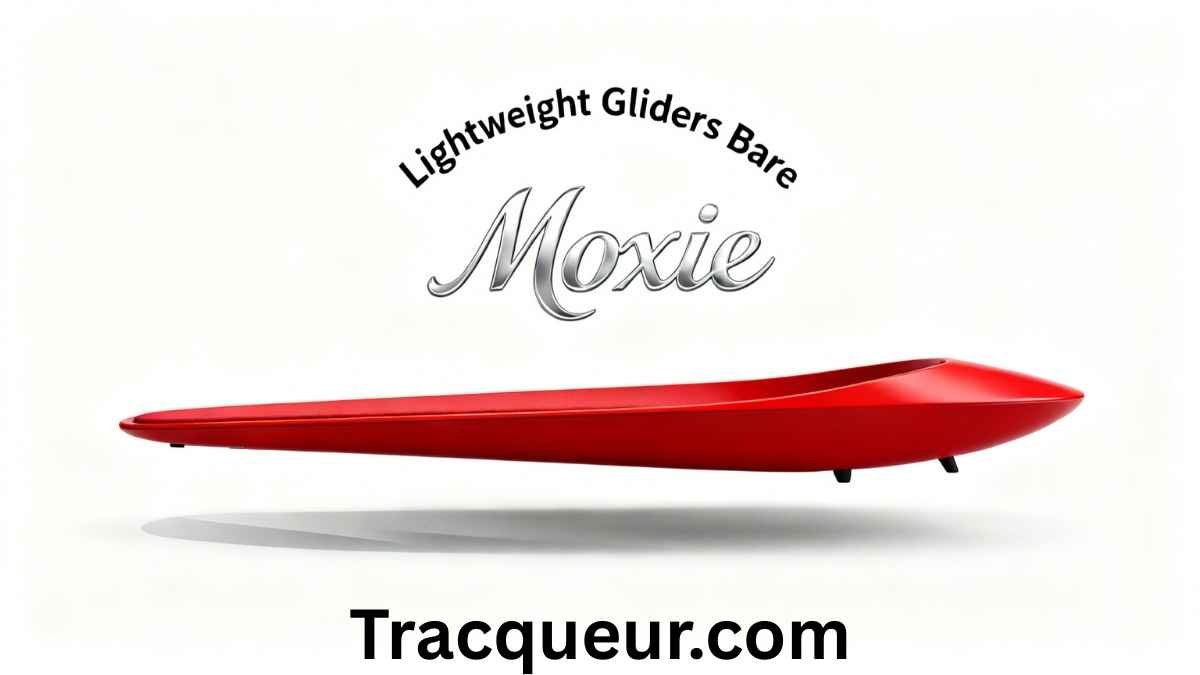
Introduction
In the world of footwear, innovation isn’t always about flashy designs or heavy embellishments. Sometimes, it’s about simplicity, comfort, and practicality—exactly what Moxie Lightweight Gliders Bare deliver. These shoes, designed for modern urban life and active lifestyles, have been making waves for their unique combination of ultra-lightweight construction minimalist design, and barefoot-inspired comfort.
In this article, we’ll take a deep dive into Moxie Lightweight Gliders Bare—covering their design philosophy, materials, performance, health benefits, styling versatility, and why they are becoming a staple for those who prioritize both comfort and mobility. By the end, you’ll understand why these shoes are more than just a casual wear option—they’re a lifestyle choice.
What Are Moxie Lightweight Gliders Bare?
Moxie Lightweight Gliders Bare are minimalist shoes engineered to feel almost like a second skin. Unlike traditional sneakers or heavy footwear, these gliders are built to maximize flexibility, breathability, and natural movement. The “bare” in their name hints at their barefoot-inspired design, which encourages proper foot mechanics while maintaining a protective layer.
The primary goal of Moxie gliders is to reduce the weight burden on the feet while providing enough cushioning and support for everyday activities. Whether you’re walking around the city, running errands, or traveling, these shoes are designed to feel effortless on your feet.
What sets them apart from standard lightweight sneakers is their attention to ergonomics and biomechanics. Moxie combines a low-profile sole with a flexible upper, promoting natural gait and reducing fatigue—a feature that makes them popular among health-conscious consumers.
Innovative Design and Materials
The design of Moxie Lightweight Gliders Bare focuses on simplicity without compromising performance. The upper is typically made from breathable knit materials or lightweight mesh, which allows air to circulate freely, keeping your feet cool even during extended wear.
The soles are engineered to be both flexible and durable. A thin, rubberized outsole ensures traction and stability while maintaining the barefoot feel. Many users report that this design allows for greater sensory feedback from the ground, improving balance and foot engagement.
Another key material consideration is weight reduction. Traditional shoes often rely on multiple layers of padding and rigid midsoles, which add bulk. Moxie Gliders strip away unnecessary material, using advanced synthetic compounds and EVA foams to provide cushioning without extra weight. The result is a shoe that is light enough to forget you’re wearing it, but still supportive enough for daily use.
Health and Biomechanical Benefits
One of the standout features of Moxie Lightweight Gliders Bare is the health benefits associated with minimalist footwear. By encouraging a more natural foot strike, these shoes help strengthen foot muscles and improve posture.
Walking or running in traditional cushioned shoes can sometimes promote a heel-heavy gait, leading to tension in the knees, hips, and lower back. The Moxie gliders’ low-profile design encourages midfoot or forefoot strikes, which can reduce joint strain over time.
Additionally, the barefoot-inspired approach improves proprioception, which is your body’s awareness of movement and balance. Users often notice improved stability, agility, and overall foot strength, especially after consistent use. These benefits make Moxie Lightweight Gliders Bare not only a comfort choice but also a functional, health-oriented footwear option.
Performance and Everyday Comfort
Moxie Lightweight Gliders Bare are designed for all-day comfort, making them ideal for people on the move. Unlike heavy sneakers that can cause fatigue after hours of wear, these gliders allow for a natural range of motion.
Their flexibility also makes them adaptable to multiple activities. You can wear them for casual walks, light workouts, or even as travel shoes, thanks to their compact design and packable nature. The breathable materials prevent overheating, and the low weight ensures your feet don’t feel restricted.
Many users also appreciate how quickly the shoes mold to their foot shape. The upper stretches gently, creating a custom fit over time without the need for breaking in. This enhances comfort and reduces the likelihood of blisters or irritation, a common issue with traditional footwear.
Styling Versatility
Another reason Moxie Lightweight Gliders Bare are gaining popularity is their versatile style. The minimalist aesthetic makes them suitable for various occasions. Pair them with casual jeans, shorts, or even relaxed business-casual outfits, and they blend seamlessly without drawing unnecessary attention.
The “bare” design gives them a modern, clean look, often with muted colors or subtle patterns. Unlike bulky sneakers or sport-specific shoes, Moxie gliders are unobtrusive yet stylish. This combination of comfort and versatility allows users to transition effortlessly from outdoor activities to social settings without changing footwear.
Furthermore, because they are lightweight and flexible, they travel well. Whether it’s a weekend getaway or a business trip, these shoes can easily fit into a bag, making them a practical choice for travelers seeking comfort and convenience.
Durability and Maintenance
Despite their lightweight and minimalist construction, Moxie Lightweight Gliders Bare are designed to last. High-quality synthetic materials resist wear and tear, and the sole’s rubber compounds provide reliable traction across different surfaces.
Maintenance is simple. Most models are machine-washable or easy to clean with a damp cloth. Their quick-drying properties mean that even after exposure to rain or sweat, the shoes are ready for use the next day. This practicality makes them ideal for daily wearers who value low-maintenance, high-performance footwear.
Additionally, the modular nature of the shoe design ensures that minor damages—such as frayed laces or surface scuffs—don’t compromise overall function. Users can enjoy extended use without frequent replacements.
Who Should Consider Moxie Lightweight Gliders Bare?
These shoes are ideal for active urban dwellers, travelers, health-conscious individuals, and minimalist footwear enthusiasts. If you value natural foot movement, all-day comfort, and modern design, Moxie gliders are worth considering.
Athletes looking for cross-training shoes or light footwear for warm-weather workouts may also find these shoes beneficial. Their lightweight and flexible construction allow for dynamic movement, while their barefoot-inspired design promotes foot strength and balance.
Even casual users benefit from the ergonomic advantages and low weight, making them a practical replacement for heavy sneakers or sandals in everyday life.
Final Thoughts on Moxie Lightweight Gliders Bare
Moxie Lightweight Gliders Bare represent a thoughtful blend of minimalist design, ergonomic function, and versatile style. They offer an ideal solution for individuals seeking footwear that supports natural foot movement without sacrificing comfort or aesthetics.
From their innovative materials to their barefoot-inspired benefits, these gliders demonstrate that less can truly be more in footwear design. Whether you are navigating city streets, exploring nature trails, or traveling across countries, Moxie gliders provide a lightweight, reliable, and stylish solution.
For anyone looking to embrace modern, functional footwear that prioritizes health, comfort, and mobility, Moxie Lightweight Gliders Bare are a standout choice that merges practicality with contemporary style.

Introduction
Rain protection has come a long way from basic, fragile umbrellas that flip inside out at the first strong gust of wind. Today’s users expect more—stronger materials, better design, and products that actually fit into modern lifestyles. This is where ausbrella enters the conversation, offering a fresh perspective on what an umbrella can and should be.
Rather than being just another rainy-day accessory, ausbrella represents a shift toward thoughtful engineering and practical usability. People are no longer looking for temporary fixes; they want long-lasting solutions that combine comfort, reliability, and style in one simple product.
What Makes a Modern Umbrella Truly Reliable?
Built for Real-World Weather
A reliable umbrella must handle unpredictable weather, not just light drizzles. Modern designs focus on wind resistance, flexible frames, and reinforced canopies that don’t collapse under pressure. These improvements are the result of listening to real user experiences and addressing common frustrations.
Durability is no longer optional—it’s essential. Users want umbrellas that survive daily commutes, sudden storms, and repeated use without constant replacements.
Designed for Everyday Convenience
Beyond strength, convenience plays a major role. Lightweight materials, quick-dry fabrics, and ergonomic handles make a noticeable difference in daily use. When an umbrella is easy to carry and comfortable to hold, people are far more likely to keep it with them.
Smart design choices help reduce hassle, turning an everyday item into something you actually enjoy using.
How Ausbrella Fits Into Today’s Lifestyle
A Balance of Style and Function
In a world where personal accessories reflect personality, umbrellas are no exception. Ausbrella stands out by blending clean aesthetics with practical features, making it suitable for both professional and casual settings.
People no longer want bulky or awkward designs. They prefer sleek, minimal products that look good while still delivering strong performance when the weather turns bad.
Practical Innovation Without Complexity
Innovation doesn’t always mean complicated technology. Sometimes, it’s about improving the basics—better materials, smarter folding mechanisms, and stronger construction. Ausbrella follows this philosophy by focusing on meaningful upgrades rather than unnecessary extras.
This approach makes the product accessible to a wide audience, from daily commuters to occasional travelers.
Key Features Users Look for in a Premium Umbrella
Strength and Wind Resistance
One of the biggest complaints about traditional umbrellas is how easily they break. Modern users expect reinforced frames and flexible ribs that bend without snapping. These features significantly increase lifespan and reliability.
An umbrella that can withstand strong winds offers peace of mind, especially in unpredictable climates.
Comfort and Portability
Comfort matters more than people realize. A well-designed handle reduces strain during extended use, while compact folding designs make storage effortless. Portability ensures the umbrella fits easily into bags, backpacks, or car compartments.
When an umbrella feels effortless to carry, it naturally becomes part of your daily routine.
Why Quality Matters More Than Ever
Cost vs. Long-Term Value
Cheap umbrellas often seem appealing at first, but frequent replacements quickly add up. Investing in a high-quality product offers better value over time, reducing waste and frustration.
Consumers are becoming more conscious of durability and sustainability, favoring products that last longer and perform better.
Trust Built Through Consistency
Consistency builds trust. When a product performs reliably every time, users develop confidence in it. This trust is what separates well-designed products from forgettable ones.
Ausbrella earns attention by focusing on consistent performance rather than flashy promises.
Choosing the Right Umbrella for Your Needs
Consider Your Environment
Your location plays a big role in determining the right umbrella. Windy cities, frequent rainfall, or heavy storms require stronger construction. Understanding your environment helps you choose a product that actually meets your needs.
A well-matched umbrella performs better and lasts longer.
Focus on Practical Features
Instead of being distracted by marketing buzzwords, focus on practical features like frame strength, canopy size, and ease of use. These elements have the biggest impact on daily satisfaction.
Smart choices lead to better long-term experiences.
The Growing Demand for Smarter Everyday Products
Consumers Want Thoughtful Design
Modern consumers value products that feel intentionally designed. Small details—like smooth opening mechanisms or balanced weight distribution—create a noticeably better experience.
This demand for thoughtful design is driving innovation across everyday items, including umbrellas.
Function First, Always
No matter how stylish a product looks, function always comes first. A beautiful umbrella that fails in strong wind quickly loses its appeal.
Ausbrella succeeds by prioritizing function without sacrificing appearance.
Conclusion
The way we think about everyday essentials is changing. People want products that work reliably, feel comfortable, and align with modern lifestyles. Ausbrella reflects this shift by focusing on durability, usability, and smart design rather than gimmicks.
As consumers continue to value quality over quantity, products like ausbrella stand out as practical investments. Choosing a well-designed umbrella isn’t just about staying dry—it’s about making everyday life a little easier, one thoughtful detail at a time.

Best Face Swap Photo AI Tools of 2026

BySentinel.com: A Rising Digital Platform in the Online Space

Anonib PA: Understanding Anonymous Image Boards Online Privacy and Digital Culture
Anonib PA: Understanding Anonymous Image Boards Online Privacy and Digital Culture

Tabootune: Redefining Bold Expression in the Digital Sound Era