
General
Can You Get Multiple Energy Grants Together in the UK?


As households in the UK are struggling with high energy costs, the government-funded energy scheme is proving to be an important source of support and assistance for many UK residents. The various initiatives available to the public, including ECO4, Free Heat Pump Grants, boiler upgrades, and insulation improvements, are all designed to offer residents lower energy costs, improved heating, and better insulation at minimal cost.
But one question comes up again and again: Is it possible to have more than one energy grant at a time? The answer is, yes – in many instances, you can. Nevertheless, how grants integrate and which grants qualify and for whom also depend on a number of other conditions.
This guide will help you understand how multiple energy grants interact with each other and what’s eligible through the ECO4 scheme, as well as some common combinations to be aware of for both homeowners and tenants who wish to apply for this scheme.
What are Energy Grants in the UK?
Energy grants are funded by the government to help improve efficiency in energy usage at home and reduce carbon emissions. They help individuals dealing with high energy bills and those in low-income households.
Examples of these usual improvements are:
- Boiler replacements
- Insulation upgrades
- First-time central heating systems
- Heat pumps
- Heating controls and smart thermostats
Most of these free energy grants are delivered through energy suppliers under schemes like ECO4.
Understanding the ECO4 Scheme
The current phase of the Energy Company Obligation is the ECO4 scheme, which began from April 2022 to March 2026.
Its main goals are to:
- Improve energy efficiency in the least energy-efficient homes
- Support low-income and vulnerable households
- Reduce long-term fuel poverty
- Cut carbon emissions
ECO4 is also focused on a whole-house concept instead of individual changes, as ECO4 funding is typically done on a multi-improvement basis.
This is where the possibility of multiple grants arises.
Can You Get Multiple Energy Grants Together?
Yes – but with certain conditions. Under ECO4, a family has the possibility to get multiple energy efficiency measures in one go as part of its installation plan.
While you would normally apply individually for each of the grants mentioned above, the installers assess your house and recommend a group of measures that can optimally interact with each other.
So rather than asking:
“Can I get two grants?”
Perhaps a better wording would be:
“Can my home be given several energy efficiency opportunities under ECO4?”
The answer in most instances will be yes.
Common Grant Combinations Under ECO4
Here are some of the most common and approved combinations that are funded under ECO4.
- Boiler Replacement + Insulation
This is one of the most common ECO4 combinations.
If you qualify, you may receive:
- A new energy-efficient boiler
- Loft insulation
- Cavity wall insulation or solid wall insulation
Why they’re combined:
- A brand new boiler works much better in an insulated home.
- Insulation helps reduce heat losses, which in turn reduces heating costs to a minimum.
- Overall, this combination can help you save around £520 a year.
- ECO4 seeks long-term efficiency rather than short-term solutions
This combination is also typically associated with the Free Boiler Scheme, whereby people upgrade their heating systems and receive upgrades to their insulation as well.
- First-Time Central Heating & Insulation
A key priority within ECO4 is homes that have never had a system of central heating. The eligible households can get the following:
- A boiler or low-carbon heating system
- Radiators and pipework
- Insulation upgrades
- Heating controls
Why this works:
ECO4 offers support with “first-time central heating” as a life-changing upgrade. It also helps to ensure the system is affordable to run. Many are improving their properties with several measures that enable them to jump several EPC bands. They can move from a poor EPC rating, like E or F, to C or even B.
- Heat Pump + Insulation + Heating Controls
Low-carbon heating is strongly encouraged under ECO4. A typical package may include:
- Air source heat pump
- Loft or wall insulation
- Smart heating controls
- Upgrades to radiator systems (where necessary)
Important Note:
To work optimally, heat pumps must be installed in energy-efficient homes. This is the reason insulation is included in all installations. This is also where it might be combined with other ECO-supported measures rather than being implemented individually.
Why ECO4 Encourages Multiple Measures
ECO4 funding is not intended for random upgrading but rather targets measurable efficiency savings.
Combining measures helps:
- Greater improvements in EPC
- More effective reduction of carbon emissions
- Lower fuel bills long-term
- Prevent homes from needing repeated upgrades later
That’s why some households receive several improvements at once, even though initially they had only requested a single one.
Can You Apply for Multiple Grants Separately?
In most cases, no, you can not. Under the ECO4 scheme:
- You do not usually apply for individual grants
- Installers assess your home and recommend eligible measures
- Funding is bundled together within one installation package
Trying to apply to various grants from different providers can:
- Cause delays
- Lead to failed applications
- Risk duplication (which ECO rules do not allow)
Working with one approved ECO installer is the best route.
Who Is Eligible to Receive Multiple Energy Grants?
Eligibility is determined by both household circumstances and property type.
Household eligibility, under the ECO4, may include:
- Means-tested benefits: This includes receiving certain means-tested benefits like Pension Credit, Universal Credit, etc.
- Homeowners or private tenants
- Inefficient properties: This includes EPC of E, F, or G.
- Outdated or inefficient heating systems.
Local Authority Flexibility (LA Flex) Eligibility
Property eligibility may include the following:
- Low-income households
- Low EPC rating, usually E, F, or G
- Poor insulation
- Health vulnerability
All of these factors are considered together to decide upon which combination of measures can be funded.
Can Landlords Get Multiple Grants for One Property?
Yes, under certain circumstances. Private landlords may be eligible if:
- Tenants who meet their eligibility criteria
- The property complies with the requirements of the ECO4 scheme.
- Consent is given for improvements.
However:
- Funding might be limited.
- Some measures may require landlord contributions
- Local authority rules may vary
These grants encourage landlords to improve properties by bringing them up to Minimum Energy Efficiency Standards (MEES).
What You Usually Cannot Do
While multiple upgrades are allowed, there are certain restrictions. You cannot generally:
- Receive funding twice for the same measure
- Install measures that do not save energy.
- Combine ECO grants with unrelated private cashback schemes
Choose upgrades just for preference if they aren’t suitable. All work must meet ECO4 technical and compliance standards.
How Does The Application Process Work?
It is simple:
- Initial Eligibility Check
Details of the household and other relevant information concerning the property are reviewed.
- Home Assessment
An assessor surveys the property and identifies the opportunities that exist.
- Grant Approval
The measures will be approved on the basis of the ECO4 funding
- Installation
All approved upgrades are installed together or in phases.
- Final Checks and Compliance
The work is signed off accordingly under ECO4.
In the case of homeowners, generally speaking, the paperwork is not handled by the homeowners themselves but by the approved installers.
Are Multiple Energy Grants Completely Free?
In many cases, yes – but not always. Almost all eligible households can get fully funded installations under the ECO4 scheme. Others may have to make a small contribution themselves under other heating upgrade schemes.
Contributions are contingent on the condition of the property, the cost of measurement, as well as the route you are eligible for. Your installer should clearly explain this to you before commencing any installation.
The Bottom Line
So, can one receive more than one energy grant at a time in the UK? Yes, and under the current system, called ECO4, it is often advised to do so. While homeowners often ask Are Radiator Covers Safe when considering home efficiency, the ECO4 scheme focuses on more significant structural changes. It does not look at grants as individual offers but as whole-house improvement measures: insulation, heating, and energy savings are installed together.
If you’re eligible, combining upgrades may:
- Cut energy bills dramatically
- Improve comfort
- Increase property value
- Carbon emission reduction
- Provide long-term savings
The key to this is to work with a trusted ECO4-approved energy company that knows how to package the grants correctly and comply with the regulations.

Although business travel may appear thrilling, it can soon become physically taxing. Comfort and energy levels can be impacted by frequent travel, hectic schedules, and extended time spent away from home. During their travels, many tourists search for methods to unwind and recuperate. Selecting the appropriate massage service may have a significant impact. A quality massage relieves stress and replenishes vitality. Nowadays, when traveling for work, numerous professionals look for 출장안마 possibilities. Travelers may find trustworthy and cozy massage services that promote relaxation and wellness by knowing where to seek them.
Find below five trusted places, such as hotel spas, mobile massage therapists, online, and wellness centers, where you can find the best business trip massage services while traveling for work.
Hotel spa services
Many hotels offer spa and wellness services for their guests. Hotel spas are often convenient because they are located inside the same building. Travelers do not need to spend extra time searching outside. These spas usually provide trained therapists and a calm environment. Guests can easily book a session after a long day of meetings or travel.
Mobile massage therapists
Mobile massage services are becoming popular among business travelers. These therapists travel to the customer’s location, such as a hotel room. This option saves time and offers privacy and comfort. Professionals can relax in their own space without leaving their room. It is a convenient choice for people with busy schedules.
Online booking platforms
Many websites and mobile apps now help travelers find massage services quickly. These platforms allow users to check reviews, compare services, and book appointments easily. Travelers can read customer feedback before choosing a therapist. Online booking also helps people schedule services according to their available time.
Local wellness centers
Wellness centers are another reliable place to find massage services. These centers often focus on health and relaxation therapies. They usually have trained staff and a peaceful atmosphere. Travelers can enjoy different types of massages designed to reduce stress and muscle pain.
Recommendations from hotel staff
Hotel reception or concierge staff can be helpful when searching for trusted massage services. They often know reliable therapists and nearby wellness centers. Their suggestions can help travelers avoid unreliable services. Asking hotel staff can save time and make the search easier.
To sum up
Finding a good massage service during work travel is not difficult when you know where to look. Hotel spas, mobile therapists, online platforms, wellness centers, and hotel staff recommendations can all help. These trusted options allow travelers to relax, reduce stress, and maintain their well-being during busy business trips.

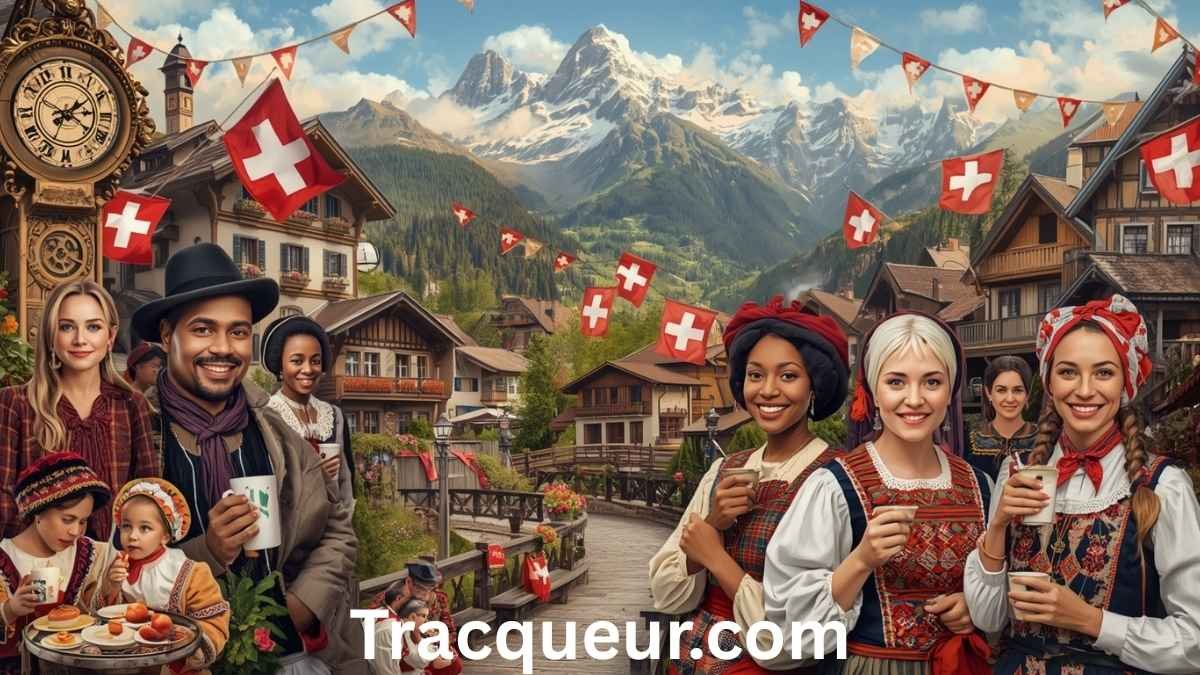
Introduction: Who Are the Switzerlanders?
When people hear the word “Switzerlanders,” they are usually referring to the citizens of — more commonly known as the Swiss. Switzerlanders are often associated with precision, neutrality, breathtaking landscapes, and high living standards. However, their identity goes far beyond stereotypes about chocolate, watches, and mountains.
Switzerland is a small but incredibly influential country located in the heart of Europe. Despite its size, it has built a global reputation for political stability, economic strength, and cultural richness. The people of Switzerland reflect these qualities in their daily lives. They value structure, independence, and community responsibility in a way that feels both traditional and modern.
Understanding Switzerlanders requires looking at their history, languages, traditions, and mindset. They are shaped by geography, by a long-standing tradition of neutrality, and by a system that empowers citizens directly. Let’s explore what truly defines the people of Switzerland and what makes their identity so unique.
A Multilingual and Multicultural Identity
One of the most fascinating aspects of Switzerlanders is their linguistic diversity. Switzerland has four official languages: German, French, Italian, and Romansh. The majority of the population speaks Swiss German, particularly in cities like and . In the western region, French is dominant, especially in , while Italian is spoken in the southern canton of Ticino.
This multilingualism shapes how Switzerlanders see themselves. Rather than identifying solely through one language, they embrace regional diversity while maintaining national unity. It is common for Swiss citizens to speak two or even three languages fluently. This skill reflects both practical necessity and a strong educational foundation.
Despite these linguistic differences, Switzerlanders share a collective identity rooted in shared values. They emphasize cooperation and mutual respect among regions. The ability to manage multiple cultures peacefully within one nation is one of Switzerland’s greatest strengths and a defining characteristic of its people.
Political Neutrality and Civic Responsibility
Switzerland is globally known for its long-standing neutrality in international conflicts. This policy has influenced the mindset of Switzerlanders for centuries. They value diplomacy, stability, and independence. Unlike many countries, Switzerland has avoided involvement in major wars for over 200 years.
The political system also plays a major role in shaping Swiss identity. Switzerland practices direct democracy, meaning citizens regularly vote on laws and policies. This system gives Switzerlanders a strong sense of responsibility and participation. They are not passive observers of politics; they are active decision-makers.
This civic engagement fosters trust in government institutions. Because citizens have a direct voice, there is a high level of transparency and accountability. Switzerlanders take voting seriously, and participation rates are consistently strong. Their political culture emphasizes balance and compromise rather than extreme positions.
Work Ethic and Economic Strength
Switzerlanders are often associated with precision and reliability, and these traits are visible in their economy. Switzerland has one of the strongest economies in the world, with thriving industries in finance, pharmaceuticals, engineering, and technology. Cities like Zurich and Geneva are major financial hubs.
The reputation of Swiss craftsmanship is global. Swiss watches, for example, are synonymous with quality and detail. Brands such as and represent the precision and dedication that Switzerlanders bring to their work. This focus on excellence is deeply embedded in their culture.
Work-life balance is also important. While Switzerlanders are hardworking and disciplined, they value personal time and family life. Efficiency allows them to maintain productivity without sacrificing quality of life. This balance contributes to Switzerland consistently ranking among the happiest and most prosperous countries in the world.
Daily Life and Social Values
Switzerlanders are known for being punctual and organized. Being late is generally considered disrespectful. Public systems, from transportation to healthcare, operate with impressive efficiency. Trains run on time, and infrastructure is meticulously maintained.
Privacy is another significant social value. Swiss people tend to be reserved and respectful of personal boundaries. While they may not appear overly expressive at first, they are warm and loyal once relationships are established. Trust is built gradually and sincerely.
Community involvement is common at the local level. Many Switzerlanders participate in clubs, volunteer organizations, or local associations. These groups strengthen social bonds and encourage collaboration. Even in a modern and technologically advanced society, traditional community spirit remains strong.
Nature, Geography, and Outdoor Culture
The geography of Switzerland plays a powerful role in shaping its people. The country is famous for the , which dominate much of the landscape. Mountains, lakes, and forests are not just scenic backdrops; they are central to Swiss lifestyle and identity.
Outdoor activities are extremely popular among Switzerlanders. Skiing, hiking, cycling, and mountaineering are common hobbies. During winter, many locals head to resorts like to enjoy snow sports near the iconic . Nature is deeply respected and carefully preserved.
Environmental awareness is strong in Swiss society. Recycling programs are highly organized, and sustainability is taken seriously. Switzerlanders understand the importance of protecting their natural surroundings, not only for tourism but also for future generations.
Education and Innovation
Education in Switzerland is highly regarded. The system combines academic and vocational pathways, allowing students to pursue practical training alongside traditional studies. This dual education system contributes to low unemployment and strong industry connections.
Switzerland is also home to world-renowned institutions such as . This university has produced groundbreaking research and innovation in science and engineering. The emphasis on quality education fuels the country’s global competitiveness.
Switzerlanders value continuous improvement and learning. Innovation is not limited to technology; it extends to governance, healthcare, and infrastructure. The country consistently ranks high in global innovation indexes, reflecting the forward-thinking mindset of its people.
Traditions, Festivals, and Cultural Heritage
Despite being modern and progressive, Switzerlanders maintain strong ties to tradition. Local festivals celebrate regional culture, music, and food. Events such as Fasnacht (Carnival) in various cities bring communities together in colorful and lively celebrations.
Traditional clothing, folk music, and Alpine customs remain important in rural areas. These traditions connect Switzerlanders to their history and ancestors. Cultural preservation is taken seriously, and many communities actively promote local heritage.
Swiss cuisine also reflects diversity. Dishes like fondue and raclette are popular nationwide, while regional specialties vary depending on language and geography. Food serves as another bridge between Switzerland’s distinct cultural regions.
Conclusion: The Distinct Identity of Switzerlanders
Switzerlanders represent a remarkable blend of diversity and unity. Living in a multilingual country with a strong democratic tradition, they balance regional identity with national pride. Their commitment to neutrality, civic responsibility, and precision has shaped a stable and prosperous society.
From the peaks of the Swiss Alps to the financial centers of Zurich and Geneva, Switzerlanders embody discipline, innovation, and respect for tradition. They are practical yet forward-thinking, reserved yet community-oriented.
In essence, Switzerlanders are defined by balance — balance between languages, between work and life, between tradition and progress. This equilibrium is what makes Switzerland not only one of the most admired countries in the world but also home to a uniquely resilient and capable people.
Introduction to Ordenari
Ordenari is a concept rooted in structure, clarity, and intentional organization. While the word itself may sound unfamiliar, its core idea is surprisingly relatable. In a world that feels increasingly chaotic and overloaded with information, ordenari represents the deliberate act of bringing order to complexity. It is not about rigid control but about smart, thoughtful structure that enhances efficiency and peace of mind.
Today, people juggle multiple responsibilities—digital communication, professional tasks, personal goals, and constant streams of information. Without a clear system, it becomes easy to feel overwhelmed. Ordenari emerges as a practical philosophy that encourages structured thinking without sacrificing creativity or flexibility.
At its heart, ordenari is about balance. It is the middle ground between complete disorder and excessive rigidity. Whether applied to digital workflows, personal productivity, creative processes, or business strategy, ordenari offers a sustainable approach to organization in modern life.
The Core Meaning Behind Ordenari
Ordenari revolves around purposeful organization. Unlike traditional systems that may feel restrictive, ordenari emphasizes adaptable structure. It is about creating frameworks that guide action while allowing room for change and growth.
The philosophy of ordenari acknowledges that structure should serve people, not control them. A well-designed system reduces mental clutter, improves focus, and simplifies decision-making. When things are organized intentionally, energy can be directed toward meaningful tasks instead of constant problem-solving.
Another defining element of ordenari is clarity. Clear priorities, defined processes, and logical workflows form the foundation of this concept. Clarity reduces confusion, improves communication, and creates a sense of control that supports both personal and professional success.
Ordenari in Personal Productivity
Personal productivity often suffers when tasks are scattered across different platforms, notebooks, and mental reminders. Ordenari introduces a streamlined approach that aligns daily actions with long-term goals. Instead of reacting to every demand, individuals can follow a structured yet flexible plan.
One practical application of ordenari is task categorization. Grouping tasks by priority, deadline, or theme reduces decision fatigue. When everything has a designated place, productivity increases naturally without added pressure.
Ordenari also encourages regular review and adjustment. Life changes, and so should organizational systems. By reassessing priorities and workflows periodically, individuals maintain balance and avoid burnout. The goal is sustainable productivity, not constant hustle.
Ordenari in Business and Professional Environments
In business settings, ordenari plays a crucial role in maintaining operational efficiency. Teams that follow structured communication protocols and defined workflows experience fewer misunderstandings and delays. Clear processes eliminate unnecessary confusion and improve collaboration.
Project management benefits significantly from ordenari principles. Breaking large objectives into manageable phases with defined responsibilities ensures progress without overwhelming team members. Structure fosters accountability while maintaining flexibility for adjustments.
Leadership also improves under an ordenari approach. When goals are clearly communicated and supported by organized systems, teams feel more confident and motivated. Order builds trust, and trust strengthens organizational culture.
Digital Organization Through Ordenari
The digital age has introduced both convenience and complexity. Emails, cloud storage, project management tools, and social media platforms generate constant information flow. Without structure, digital clutter quickly accumulates.
Ordenari provides a framework for digital organization. This may include standardized file naming systems, centralized task management tools, and clearly defined communication channels. When digital spaces are organized thoughtfully, productivity increases and stress decreases.
Cybersecurity also benefits from structured digital practices. Organized data storage and clear access controls reduce risk and improve operational resilience. In this sense, ordenari supports not only efficiency but also digital safety.
Ordenari and Creative Freedom
At first glance, creativity and structure may seem incompatible. However, ordenari demonstrates that organization can enhance creativity rather than limit it. Clear frameworks free the mind from chaos, allowing ideas to develop more naturally.
Creative professionals often struggle with inconsistent workflows. By establishing structured brainstorming sessions, content calendars, and revision processes, creativity becomes more sustainable. Ordenari ensures that inspiration translates into consistent output.
Furthermore, structured environments reduce stress. When creatives know where to find resources and how to manage projects, they can focus fully on innovation rather than logistics. Ordenari empowers creativity through clarity.
The Psychological Benefits of Ordenari
Organization has a direct impact on mental well-being. Clutter, whether physical or digital, can increase anxiety and reduce concentration. Ordenari encourages intentional order, which supports cognitive clarity and emotional balance.
When environments are organized, the brain processes information more efficiently. Decision-making becomes smoother, and distractions decrease. This creates a calmer mental state that improves both performance and overall satisfaction.
Additionally, achieving small organizational milestones builds confidence. Each structured improvement reinforces a sense of progress. Over time, ordenari cultivates discipline without creating pressure.
Practical Steps to Implement Ordenari
Implementing ordenari does not require dramatic changes. Small, consistent adjustments can transform routines. Start by identifying areas of clutter, whether in physical spaces, digital files, or daily schedules.
Next, create simple systems. Establish categories, assign priorities, and define clear workflows. Keep the structure intuitive rather than overly complicated. The best systems are those that are easy to maintain.
Finally, review and refine regularly. Ordenari is not static; it evolves with changing needs. By adjusting systems periodically, individuals and organizations maintain alignment with goals and prevent stagnation.
Challenges and Misconceptions
One common misconception about ordenari is that it promotes rigidity. In reality, it supports flexibility within structure. The goal is not perfection but clarity and adaptability.
Another challenge is consistency. Maintaining organized systems requires discipline. However, once habits are formed, the benefits outweigh the effort. Structured routines become second nature over time.
It is also important to avoid overcomplication. Overly complex systems defeat the purpose of ordenari. Simplicity remains central to its effectiveness.
The Future of Ordenari
As technology advances and information flow accelerates, structured organization will become increasingly valuable. Ordenari offers a sustainable model for managing complexity without becoming overwhelmed.
Businesses are already adopting adaptive organizational frameworks that reflect ordenari principles. Agile workflows, collaborative platforms, and data-driven decision-making all rely on structured clarity.
On a personal level, the demand for balance and mindful productivity continues to grow. Ordenari aligns perfectly with this shift, providing a practical approach to living and working more intentionally.
Conclusion
Ordenari represents more than organization; it symbolizes thoughtful structure in a complex world. By balancing clarity with flexibility, it empowers individuals and organizations to operate efficiently without sacrificing creativity or well-being.
Incorporating ordenari into daily life does not require drastic change. Small, consistent improvements in structure can transform productivity, reduce stress, and enhance overall performance. In an age of constant information and distraction, ordenari offers a simple yet powerful path toward sustainable success.

Best Face Swap Photo AI Tools of 2026

BySentinel.com: A Rising Digital Platform in the Online Space

Anonib PA: Understanding Anonymous Image Boards Online Privacy and Digital Culture
Anonib PA: Understanding Anonymous Image Boards Online Privacy and Digital Culture

Tabootune: Redefining Bold Expression in the Digital Sound Era