
Sports
Bikesly: The Emerging Digital Hub for Modern Cyclists


Introduction
Tracqueur.comCycling has evolved from a simple recreational activity into a global movement driven by fitness, sustainability, and technology. As more people embrace cycling, digital platforms and communities have emerged to support riders. One such emerging keyword gaining attention is Bikesly. While it may sound simple, Bikesly represents a modern concept tied to cycling culture, digital convenience, and connected communities.
In today’s internet-driven world, names like Bikesly often become platforms, brands, or services designed to support specific audiences. Whether it’s a website, app, blog, or cycling marketplace, the keyword itself reflects innovation and specialization. The rise of niche digital identities like Bikesly shows how cycling is no longer just about riding—it is about building a lifestyle and ecosystem.
This article explores what Bikesly could represent, its potential role in the cycling industry, its importance for cyclists, and how digital platforms like Bikesly are shaping the future of mobility and community.
What Is Bikesly?
Bikesly appears to be a modern, brandable term closely associated with bicycles and cycling culture. Its name suggests a platform or service focused on bikes, cycling gear, or cycling-related content. The addition of “-ly” gives it a modern and digital feel, making it ideal for an online brand or application.
Names like Bikesly are often created with branding in mind. They are short, memorable, and easy to pronounce. This makes them effective for digital platforms where recognition and recall are essential. A name like Bikesly can easily become a website, mobile app, or online marketplace dedicated to cycling.
It may also represent a cycling community where users share tips, routes, reviews, and experiences. In the digital age, platforms like Bikesly serve as central hubs for enthusiasts to connect and grow together.
The Growing Importance of Digital Cycling Platforms
Cycling is no longer limited to physical roads and trails. Today, digital platforms play a major role in helping cyclists plan routes, track performance, and connect with others. Bikesly fits perfectly into this modern ecosystem.
Cyclists rely on online platforms to discover new gear, learn maintenance skills, and improve performance. A platform like Bikesly could offer resources such as tutorials, reviews, and training programs. These tools help riders become more confident and skilled.
Digital cycling platforms also support community engagement. Riders can share achievements, participate in challenges, and inspire others. This sense of community motivates individuals to stay active and committed.
Bikesly as a Potential Cycling Marketplace
One of the most practical uses for a platform like Bikesly would be as a marketplace. Cyclists often need to buy and sell bikes, accessories, and components. Bikesly could provide a centralized space for these transactions.
An online marketplace makes it easier to compare products and prices. Users can find bikes that match their needs and budgets. This convenience saves time and improves the buying experience.
In addition, Bikesly could support local sellers and independent brands. This would create opportunities for small businesses while giving buyers access to unique and specialized products.
Supporting Beginners and Experienced Cyclists
Cycling platforms must cater to riders of all skill levels. Bikesly could serve beginners by offering educational content such as how to choose the right bike, basic maintenance tips, and safety guidelines.
For experienced cyclists, the platform could provide advanced resources such as performance tracking, route planning, and gear optimization. This helps riders achieve their personal goals and improve efficiency.
By supporting both beginners and experts, Bikesly could create a comprehensive cycling ecosystem that meets diverse needs.
Bikesly and the Role of Technology in Cycling
Technology has transformed cycling in recent years. Smart devices, GPS tracking, and mobile apps have made cycling more interactive and data-driven. Bikesly could integrate these technologies to enhance user experience.
For example, cyclists could use Bikesly to track their rides, monitor performance, and analyze progress. This data helps riders identify strengths and areas for improvement.
Technology also improves safety. Features such as route sharing, emergency alerts, and navigation tools help cyclists ride with confidence and security.
Building a Strong Cycling Community
Community is one of the most powerful aspects of cycling. Platforms like Bikesly can bring cyclists together, regardless of location. Online communities allow users to share experiences, advice, and encouragement.
A strong community motivates riders to stay active. Seeing others’ achievements inspires individuals to push themselves further. This creates a positive cycle of growth and motivation.
Bikesly could also host events, challenges, and competitions. These activities foster engagement and create a sense of belonging among users.
Environmental Impact and Sustainable Mobility
Cycling plays an important role in promoting sustainability. As cities face challenges related to traffic congestion and pollution, cycling offers a cleaner and healthier alternative.
Platforms like Bikesly can encourage more people to adopt cycling. By providing resources, support, and community engagement, Bikesly could help promote eco-friendly transportation.
This shift benefits both individuals and the environment. Cycling reduces carbon emissions, improves public health, and creates more livable cities.
Branding and Business Opportunities with Bikesly
The keyword Bikesly has strong branding potential. It is modern, memorable, and clearly connected to cycling. This makes it ideal for a startup, app, or online service.
Businesses could use Bikesly to launch cycling-related products or services. This includes gear shops, fitness apps, or educational platforms. A strong brand name helps attract users and build trust.
In addition, Bikesly could expand into multiple areas, including e-commerce, content creation, and community management. This flexibility makes it valuable in the growing cycling industry.
The Future Potential of Bikesly
The cycling industry continues to grow as more people recognize its benefits. Digital platforms will play an increasingly important role in supporting this growth. Bikesly has the potential to become part of this evolution.
Future developments could include mobile apps, smart integrations, and advanced analytics. These features would enhance user experience and provide valuable insights.
As cycling becomes more popular, platforms like Bikesly will help connect riders, improve accessibility, and promote healthier lifestyles.
Conclusion: Why Bikesly Represents the Future of Cycling Platforms
Bikesly represents more than just a keyword—it symbolizes the integration of cycling and digital innovation. Its potential applications include marketplaces, communities, educational platforms, and technology-driven services.
In today’s connected world, cyclists need reliable digital resources. Bikesly could provide the tools, support, and community needed to enhance the cycling experience.
Whether as a brand, platform, or community hub, Bikesly reflects the future of cycling. It combines technology, sustainability, and community to create a modern cycling ecosystem that benefits riders everywhere.
Sports
Watchmmafull.con: A Complete Guide to Understanding Its Purpose Features Legitimacy and Online Streaming Role

Introduction to Watchmmafull.con
The internet has completely transformed how people watch sports, especially combat sports like Mixed Martial Arts (MMA). Fans no longer rely only on television broadcasts or paid subscriptions. Instead, many turn to online platforms that promise easy access to fights, highlights, and replays. One such platform that has gained attention is watchmmafull.con. This keyword has been appearing in searches and online discussions among MMA fans looking for convenient ways to watch their favorite fights.
Watchmmafull.con appears to represent a website or online platform related to MMA fight streaming, replays, or archived fight content. Many users discover it while searching for full MMA fights, pay-per-view replays, or fight night coverage. Because MMA is one of the fastest-growing sports globally, there is increasing demand for accessible and reliable streaming sources.
Understanding watchmmafull.con is important before using or trusting it. Users should know what it offers, how it works, and whether it is safe or legitimate. This article provides a detailed and expert-level explanation of watchmmafull.con, its purpose, benefits, risks, and its role in the modern sports streaming landscape.
What Is Watchmmafull.con and What Does It Offer?
Watchmmafull.con appears to be associated with providing access to MMA fight content, including full fights, highlights, and event replays. These types of platforms are often used by fans who want to watch fights they missed or revisit memorable moments. The name itself suggests a focus on “watch MMA full” content, which indicates complete fight videos rather than short clips.
One of the main attractions of platforms like watchmmafull.con is convenience. Instead of waiting for official broadcasters to replay fights, users can search and watch content whenever they want. This flexibility is highly appealing, especially for fans in regions where official MMA broadcasts may be limited or unavailable.
Additionally, these platforms may include a variety of content types. This can include full fight events, fighter compilations, classic fights, and recent match coverage. This variety allows fans to explore both current and historical MMA events in one place, making it a valuable resource for dedicated enthusiasts.
Why Platforms Like Watchmmafull.con Are Becoming Popular
The growing popularity of MMA is a major reason why platforms like watchmmafull.con are gaining attention. Organizations like UFC, Bellator, and ONE Championship have millions of fans worldwide. As the fan base grows, so does the demand for accessible fight content.
Another reason for their popularity is accessibility. Not everyone can afford pay-per-view events or multiple subscription services. Some fans look for alternative ways to watch fights without paying high fees. Platforms like watchmmafull.con appear attractive because they offer a convenient alternative.
Speed is also an important factor. Fans often want to watch fights immediately after they happen. Official platforms may take time to upload replays or restrict access based on location. Websites like watchmmafull.con may provide faster access, which makes them appealing to users who want instant viewing options.
Key Features Associated with Watchmmafull.con
Platforms like watchmmafull.con often include several features designed to attract users. One of the most common features is access to full fight videos. These videos allow fans to watch complete matches rather than short summaries or highlights.
Another feature is organized content. Fight videos may be sorted by event, fighter name, promotion, or date. This makes it easier for users to find specific fights. Organized content improves the overall user experience and makes navigation more efficient.
Some platforms also include search functionality. This allows users to quickly locate specific fights or fighters. Instead of browsing through hundreds of videos, users can simply enter a name and find relevant content instantly. This feature saves time and improves usability.
Understanding the Legitimacy and Safety of Watchmmafull.con
One of the most important considerations when using any online streaming platform is safety and legitimacy. Not all streaming websites operate legally or securely. Users should be cautious and evaluate platforms carefully before using them.
Unofficial streaming websites may pose risks. These risks can include malware, intrusive ads, data tracking, or phishing attempts. Users who visit unknown websites should avoid clicking suspicious links or downloading files. Protecting personal information is essential.
Legitimate streaming platforms usually have proper licensing agreements and clear company information. Users should verify whether watchmmafull.con is officially authorized to distribute MMA content. This helps avoid legal issues and ensures a safer viewing experience.
Advantages of Using Platforms Like Watchmmafull.con
There are several reasons why users are attracted to platforms like watchmmafull.con. One of the main advantages is convenience. Users can access fight content from anywhere with an internet connection. This flexibility makes it easy to watch fights at home, at work, or while traveling.
Another advantage is content availability. These platforms may offer older fights that are difficult to find elsewhere. This is especially valuable for fans who want to explore the history of MMA or revisit classic matches.
Cost savings can also be a factor. Official pay-per-view events can be expensive. Some users turn to alternative platforms to avoid these costs. While this may seem beneficial, users should always consider safety and legality.
Potential Risks and Concerns
While watchmmafull.con may appear useful, users should also be aware of potential risks. Security is one of the biggest concerns. Unofficial streaming websites may expose users to harmful software or unsafe advertisements.
Privacy is another concern. Some websites track user activity or collect personal information without consent. This data could be used for advertising or other purposes. Users should avoid entering personal details on unknown websites.
Legal risks are also possible. Streaming copyrighted content without authorization may violate copyright laws. Users should understand the legal implications before using such platforms.
The Role of Watchmmafull.con in the Modern Streaming Ecosystem
Watchmmafull.con reflects a broader trend in digital entertainment. More people are turning to online platforms for instant access to content. Traditional broadcasting methods are being replaced by flexible and on-demand viewing options.
This shift has created opportunities and challenges. While users benefit from greater convenience, content creators and organizations face issues related to piracy and unauthorized distribution. This has led to increased efforts to protect intellectual property.
Despite these challenges, platforms like watchmmafull.con highlight the demand for accessible sports content. They demonstrate how user behavior is shaping the future of digital entertainment and streaming services.
How to Stay Safe When Exploring Sites Like Watchmmafull.con
Users should take precautions when visiting unknown websites. Using antivirus software can help protect devices from malware. This adds an extra layer of security while browsing.
Avoid clicking suspicious ads or pop-ups. These ads may lead to harmful websites or downloads. Staying cautious reduces the risk of security issues.
It is also recommended to use official streaming services whenever possible. Official platforms provide reliable access and better security. They also support fighters and organizations that create the content.
Future Outlook of MMA Streaming Platforms
The future of MMA streaming is likely to continue evolving. Official streaming services are becoming more advanced and accessible. Many organizations now offer their own digital platforms with high-quality content.
As technology improves, users will have more options for watching fights. Faster internet speeds and better streaming technology will enhance the viewing experience. This will make online streaming even more popular.
Platforms like watchmmafull.con represent the transitional phase of digital streaming. They show how user demand drives innovation and change in the entertainment industry.
Conclusion
Watchmmafull.con appears to be part of the growing world of online MMA streaming platforms. It reflects the increasing demand for convenient, accessible, and flexible ways to watch fight content. While it may offer benefits such as convenience and content availability, users should also consider safety, legality, and privacy.
Understanding how platforms like watchmmafull.con work helps users make informed decisions. Being cautious and prioritizing secure and legitimate sources ensures a better and safer viewing experience. As MMA continues to grow in popularity, the role of digital streaming platforms will become even more important.
Ultimately, watchmmafull.con represents the modern shift toward digital sports consumption. It highlights how technology is transforming the way fans watch and enjoy MMA, shaping the future of sports entertainment.
Introduction
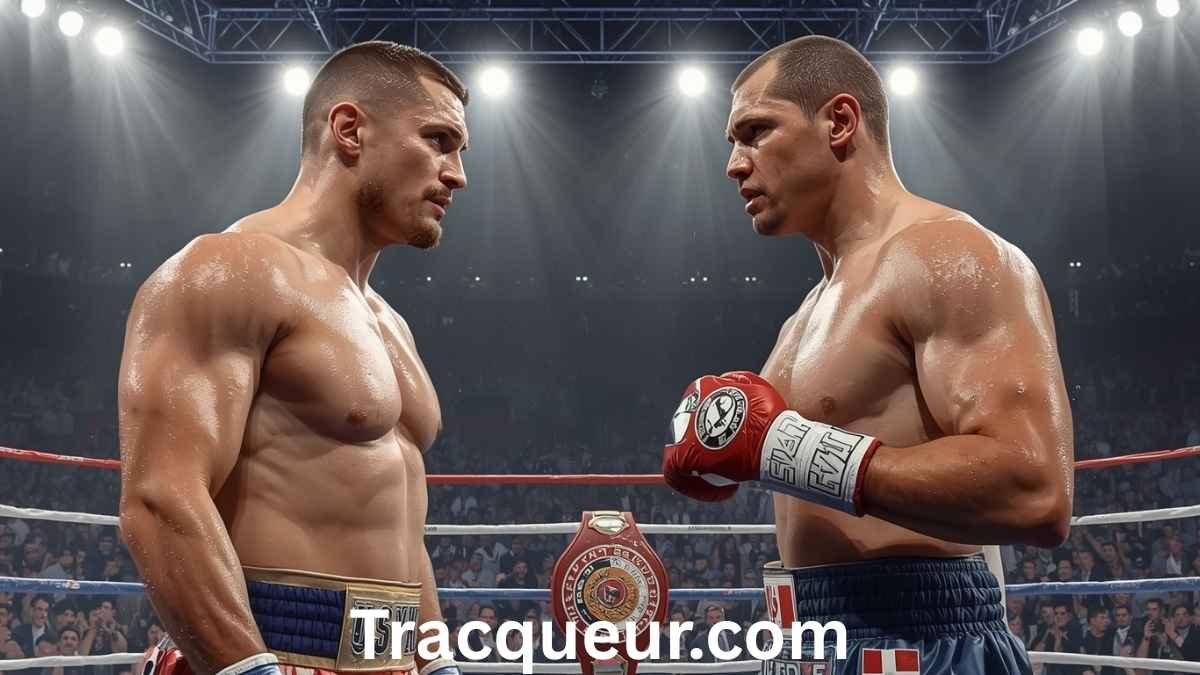
The heavyweight boxing division has been full of excitement in recent years, with major fighters competing for global recognition and championship titles. One of the most talked-about developments is the delay request involving a potential fight between Oleksandr Usyk Parker Fight Delay Request. Fans, analysts, and promoters have all been watching closely to understand what this delay means and how it could impact the future of heavyweight boxing.
Fight delays are not uncommon in professional boxing. They can occur for various reasons, including injuries, contract negotiations, scheduling conflicts, or strategic planning. However, when it involves high-profile fighters like Usyk and Parker, the situation attracts worldwide attention.
This article explores the Usyk Parker Fight Delay Request, including the reasons behind it, its impact on the heavyweight division, and what fans can expect moving forward.
Who Is Oleksandr Usyk? The Champion’s Legacy
is widely regarded as one of the most skilled boxers of his generation. Known for his exceptional footwork, defensive intelligence, and technical precision, Usyk has achieved success in multiple weight classes.
Usyk first gained global recognition in the cruiserweight division, where he became the undisputed champion by holding all major belts. This achievement demonstrated his dominance and established him as one of the best pound-for-pound fighters in the world.
After moving up to the heavyweight division, Usyk continued his success. He defeated top opponents and proved that his skill set could compete against larger and stronger fighters. His ability to adapt and outthink opponents makes him one of the most dangerous fighters in boxing today.
Who Is Joseph Parker? A Strong and Experienced Challenger
is another respected name in the heavyweight division. Known for his strength, speed, and durability, Parker has faced many top fighters throughout his career.
Parker previously held the WBO heavyweight title, making him a world champion and proving his ability to compete at the highest level. His experience against elite fighters has helped him develop strong defensive and offensive skills.
In recent years, Parker has continued to improve, showing better conditioning and tactical awareness. His potential matchup with Usyk represents an important opportunity to challenge one of the division’s top champions.
Why the Fight Delay Request Happened
Fight delays can occur for several legitimate reasons, and the Usyk Parker delay request is no exception. One of the most common reasons for fight delays is injury. Boxing is a physically demanding sport, and fighters need to be in peak condition to perform safely and effectively.
Another possible reason is scheduling conflicts. Major fights require coordination between promoters, venues, broadcasters, and fighters. Even small conflicts can lead to delays while organizers find suitable dates.
Strategic planning can also play a role. Fighters and their teams carefully choose when to compete to ensure they are fully prepared. A delay can provide additional training time, allowing fighters to improve their performance and increase their chances of winning.
How Fight Delays Affect Fighters’ Preparation
Fight preparation is a carefully structured process. Fighters follow strict training schedules, including conditioning, sparring, and recovery. When a fight is delayed, these plans must be adjusted.
For Usyk, the delay may provide extra time to refine his strategy and maintain peak physical condition. As a technical fighter, Usyk relies heavily on preparation and precision.
For Parker, the delay also offers advantages. Additional training time allows him to improve endurance, strength, and tactical planning. This can make the eventual fight more competitive and exciting.
Impact on the Heavyweight Division
The heavyweight division is one of the most competitive and popular divisions in boxing. Any delay involving top fighters can affect rankings, title opportunities, and future matchups.
Organizations such as the oversee rankings and championship titles. Fight delays can influence these rankings and determine which fighters get title opportunities.
The delay also affects other fighters waiting for their chance to compete. The timing of major fights plays a crucial role in shaping the division’s future.
Promoters, Contracts, and Business Considerations
Boxing is both a sport and a business. Promoters, sponsors, and broadcasters all play important roles in organizing major fights. Financial considerations can influence scheduling decisions.
Major fights generate significant revenue through ticket sales, pay-per-view purchases, and sponsorships. Promoters want to ensure fights happen at the best possible time to maximize audience engagement.
Delays can help promoters finalize agreements, secure better venues, and increase promotional efforts. This ultimately benefits both fighters and fans.
Fan Reactions and Expectations
Fans are passionate about heavyweight boxing, and the potential Usyk vs Parker fight has generated significant excitement. While delays can be frustrating, they often increase anticipation.
Fans understand that delays are part of professional boxing. Many prefer a delayed fight over one where fighters are not fully prepared. A well-prepared fight is more competitive and entertaining.
Social media discussions, sports analysts, and boxing experts continue to debate the potential outcome. This ongoing conversation keeps interest in the fight strong.
Possible Outcomes of the Usyk vs Parker Fight
If the fight takes place, it will be a clash of different styles. Usyk’s technical precision and movement contrast with Parker’s power and durability.
Usyk’s strengths include speed, footwork, and tactical intelligence. He excels at controlling the pace and avoiding damage.
Parker’s strengths include physical power and resilience. His ability to withstand pressure and deliver strong punches makes him a dangerous opponent.
The fight has the potential to be one of the most exciting matchups in the heavyweight division.
How Delays Can Benefit the Sport of Boxing
While delays may seem negative, they can actually benefit boxing. Proper preparation ensures fighter safety and improves fight quality.
Delays also allow promoters to build stronger promotional campaigns. This increases viewership and global interest.
Ultimately, delays help ensure that major fights happen under the best possible conditions.
What Fans Can Expect Moving Forward
Fans can expect continued updates as negotiations and preparations progress. Boxing organizations, promoters, and fighter teams will work together to finalize plans.
When the fight eventually takes place, it will likely attract global attention. Both fighters have strong reputations and dedicated fan bases.
The delay may increase anticipation, making the eventual fight even more exciting.
Final Thoughts: Why the Usyk Parker Fight Delay Matters
The Usyk Parker fight delay request is an important development in heavyweight boxing. While delays can be disappointing, they are often necessary for safety, preparation, and business reasons.
Both Oleksandr Usyk and Joseph Parker are elite fighters with impressive careers. Their potential matchup represents a significant moment for the heavyweight division.
For fans, the delay is simply part of the journey. When the fight finally happens, it has the potential to be a memorable and exciting event that shapes the future of heavyweight boxing.

Introduction
If you have spent any serious time around figure skating, you have likely heard the term bauering. While it may sound unfamiliar to casual sports fans, within skating circles it represents one of the most elegant and powerful transitional movements on the ice. Bauering is more than just a move; it is a statement of control, flexibility, and artistry.
At its core, bauering refers to the performance of a deep, sweeping edge movement inspired by the famous Ina Bauer position. Over time, the term evolved informally into “bauering,” often used to describe executing that dramatic leaning glide across the ice. It blends technical edge work with visual drama, which is why skaters and coaches alike value it so highly.
In this article, we will break down what bauering truly means, its historical origins, technical mechanics, training requirements, variations, and its continued influence in modern skating. Whether you are an aspiring skater or simply a fan of the sport, this guide will give you a clear and expert-level understanding of bauering.
The Origins of Bauering and Its Historical Roots
To understand bauering properly, we need to acknowledge its inspiration: the . Ina Bauer was a German figure skater active in the 1950s, and while she may not have captured Olympic gold, her name became immortalized through the iconic position she popularized.
The Ina Bauer move involves skating on two different edges with one foot placed forward and the other extended backward, both knees bent deeply, and the body arched dramatically. It creates a striking visual line that emphasizes flexibility and balance. Over time, skaters began referring to the execution of this move as “bauering,” especially in informal training environments.
Historically, the move gained widespread global recognition during the golden era of artistic skating. As choreography evolved to emphasize expressiveness and dramatic body lines, bauering became a staple transition before jumps or spins. It was no longer just a technical element but a performance highlight.
Technical Breakdown: What Makes Bauering Unique
From a technical standpoint, bauering requires exceptional edge control. The front foot typically glides on an outside edge, while the back foot rides a corresponding inside edge. Maintaining this split-edge balance demands lower-body strength and refined skating fundamentals.
Body alignment plays a critical role. The hips must open fully to create that elongated stance. Meanwhile, the torso arches slightly backward to emphasize extension. This is not simply about flexibility; it is about controlled flexibility. Without proper alignment, the move can become unstable.
Timing also matters. Many elite skaters use bauering as a setup into a jump or as a connecting move between choreographic phrases. The glide must remain smooth and uninterrupted. Any wobble or edge inconsistency can disrupt the flow of a program.
The Physical Demands of Bauering
Bauering may look effortless when performed by professionals, but it demands serious physical conditioning. Strong quadriceps and hamstrings are essential because the knees stay deeply bent throughout the glide.
Flexibility is equally important. The hips, groin, and lower back must allow for extended positioning without strain. Skaters often incorporate off-ice stretching routines specifically to improve their Ina Bauer depth.
Balance training is another key component. Because both skates travel on different edges, weight distribution must be precise. Even slight shifts can destabilize the glide. Coaches frequently use slow-motion drills to refine this balance before increasing speed.
Bauering in Modern Competitive Figure Skating
In contemporary figure skating, bauering remains a powerful artistic tool. Skaters use it to amplify emotional moments in their routines. It often appears during musical crescendos or dramatic transitions.
Athletes like famously elevated the Ina Bauer to global recognition during Olympic performances. Her deep, sweeping glide into triple jumps demonstrated how bauering could combine beauty and athletic power seamlessly.
Judges do not score bauering as a standalone technical element under the International Skating Union’s current scoring system. However, it significantly enhances Program Component Scores, particularly in areas like Performance and Composition. When executed with precision and expression, it leaves a lasting impression.
Variations and Creative Interpretations
Bauering is not limited to one rigid form. Skaters often experiment with variations to match choreography. Some perform a shallow version with less knee bend, while others exaggerate the arch for dramatic flair.
There are also one-handed and two-handed arm extensions that modify the aesthetic. Arm placement can transform the emotional tone of the movement, shifting it from romantic to powerful.
In ice dance and pairs skating, bauering sometimes appears as synchronized elements. When two skaters execute matching edges simultaneously, it creates a visually captivating moment that enhances storytelling.
Training Methods to Master Bauering
Mastering bauering begins with edge drills. Coaches emphasize outside and inside edge stability before introducing the full position. Without strong edge fundamentals, the move becomes unstable.
Off-ice conditioning is equally vital. Squats, lunges, and hip mobility exercises build the muscular endurance required to hold the deep stance. Core strengthening also supports spinal alignment during the arch.
Progression training works best. Skaters typically start with shallow knee bends and gradually increase depth as flexibility improves. Rushing the process can lead to strain or imbalance.
Common Mistakes and How to Avoid Them
One common mistake is collapsing the upper body forward. Bauering demands a proud chest and controlled arch. Leaning forward reduces visual impact and disrupts balance.
Another issue is uneven edge pressure. If one skate carries too much weight, the glide will drift or wobble. Skaters must distribute weight evenly between both feet.
Finally, over-arching the lower back without proper support can cause discomfort. The move should feel controlled, not forced. Proper conditioning prevents injury and enhances performance longevity.
The Artistic Impact of Bauering
Beyond technique, bauering carries emotional weight. It is a move that communicates grace, vulnerability, or strength depending on execution. Few skating elements blend athleticism and artistry so seamlessly.
In many programs, bauering acts as a storytelling bridge. It slows the pace momentarily, allowing audiences to connect emotionally before the intensity rises again.
From an expert perspective, bauering represents skating’s core identity: combining edge mastery with expressive performance. It is a reminder that figure skating is both sport and art.
Why Bauering Continues to Inspire Skaters
Even decades after its introduction, bauering remains relevant. New generations of skaters reinterpret it, adding personal style while respecting its origins.
Its adaptability ensures longevity. Whether used in junior competitions or Olympic programs, bauering maintains its dramatic appeal.
Ultimately, bauering symbolizes confidence on ice. Executing it successfully requires trust in one’s edges, strength, and artistic presence. That combination is what makes the move timeless.
Final Thoughts
Bauering is more than a skating maneuver; it is a tradition rooted in history and refined through modern performance. Inspired by Ina Bauer, it has evolved into a symbol of grace and edge mastery within figure skating.
Technically demanding yet visually stunning, bauering challenges skaters to blend strength with fluidity. When done correctly, it elevates an entire routine and captures the audience’s attention instantly.
For anyone serious about skating—whether athlete, coach, or enthusiast—understanding bauering offers deeper insight into the artistry and athleticism that define figure skating at its highest level.

Best Face Swap Photo AI Tools of 2026

BySentinel.com: A Rising Digital Platform in the Online Space

Anonib PA: Understanding Anonymous Image Boards Online Privacy and Digital Culture
Anonib PA: Understanding Anonymous Image Boards Online Privacy and Digital Culture

Tabootune: Redefining Bold Expression in the Digital Sound Era